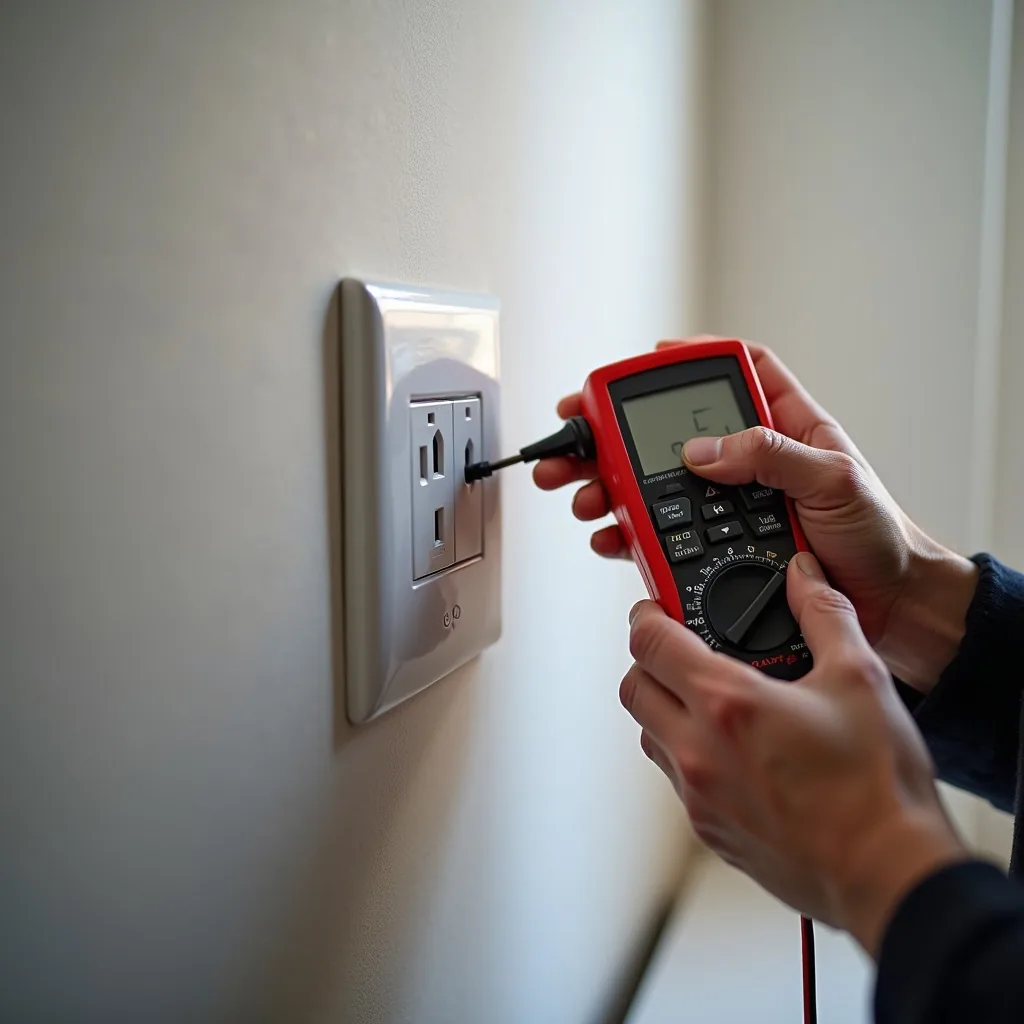
A socket that won't power your devices is more common than you might think. Before you assume the worst, there are several straightforward checks you can do yourself. However, electrical work carries real safety risks, so knowing when to stop and call a professional is crucial.
At Electrician Experts, we help German residents and expats find certified electricians quickly. If your troubleshooting reveals a wiring problem, call our English-speaking team on 015161134271 to arrange a professional inspection.
Is It Just One Socket, or Several?
The answer changes what's likely wrong. A single dead socket points to a local issue, while multiple sockets out usually means a circuit problem or main breaker trip.
Single socket not working: The issue is usually confined to that one outlet. Common causes include a tripped RCD (Residualstromschutzschalter or FI-Schalter), a blown fuse, or worn-out internal contacts.
Multiple sockets in the same room or area: This suggests a circuit breaker or LS-Schalter has tripped, cutting power to that branch. It could also indicate an overload or a fault downstream.
First Checks You Can Do Safely
- Try plugging a device into a different socket to confirm the problem isn't your appliance
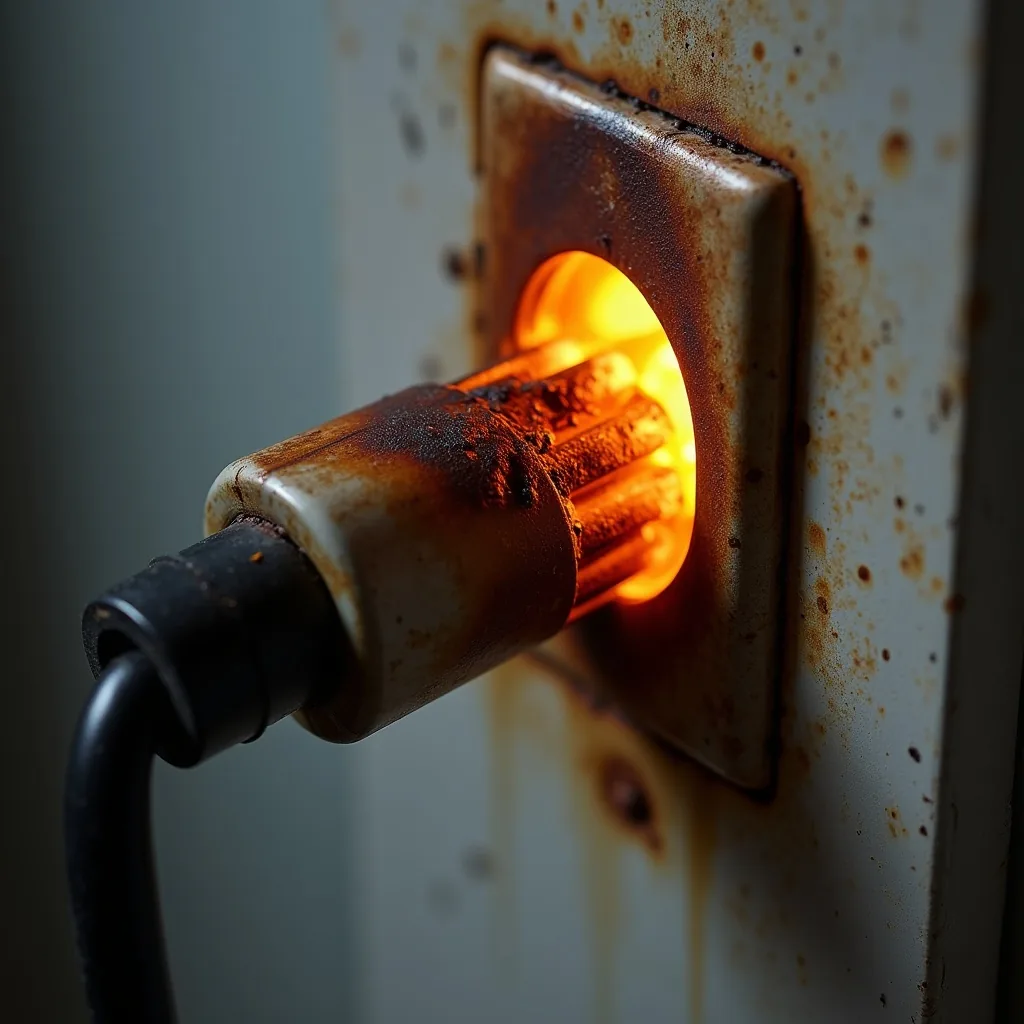
- Check if the socket looks scorched, melted, or damaged (if so, do not use it; call a professional immediately)
- Feel around the socket for any unusual heat or smell—another sign to stop and get help
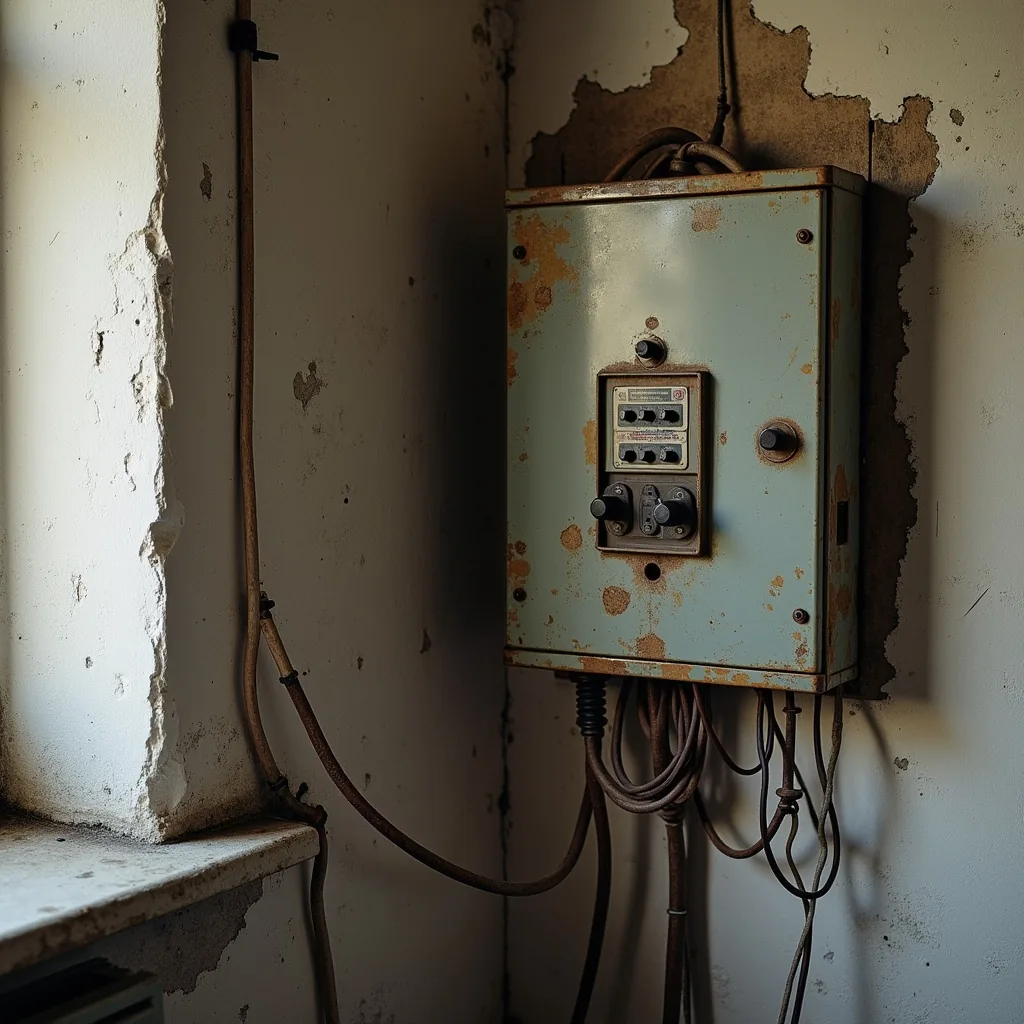
- Look at your fuse box (Sicherungskasten) to see if any breakers are in the OFF or middle position
- Check whether an RCD (FI-Schalter) in your fuse box has tripped (it will be in the down position)
If you spot any visible damage, discoloration, or burning smell, do not attempt further troubleshooting. Contact a certified electrician immediately.
Reset Your Circuit Breaker or RCD
If you've found a tripped breaker or RCD, you may be able to restore power yourself—but only if there's no visible damage or smell.
Important safety warning: Never touch the main switch or any internal wiring. Only flip switches that are clearly labelled and accessible on the outside of your fuse box.
Locate the switch that controls the affected socket or room. If it's in the middle or down position, switch it firmly to OFF, then back to ON. Wait a few seconds for the power to restore. If it trips again immediately, there is a fault in that circuit and you must call a professional.
An RCD that keeps tripping, even after you reset it, indicates a potential earth leakage (Erdschluss) or fault. This is a safety issue and requires professional diagnosis.
When You Need a Certified Electrician
Some situations demand professional attention. Never try to fix these yourself:
- The socket is visibly damaged, scorched, or melted
- You smell burning plastic or notice discoloration around the outlet
- The breaker or RCD trips repeatedly after you reset it
- Multiple sockets have stopped working and you cannot find a tripped breaker
- You're unsure about your fuse box or nervous about opening it
- The socket won't accept a plug properly or the contacts look worn
- You've tried resetting the breaker and power still doesn't return
German electrical standards (VDE—Verband der Elektrotechnik) are strict, and any ongoing fault poses a fire or shock risk. A certified electrician (Elektrofachkraft) can safely diagnose the problem, test for earth faults, and repair or replace damaged wiring.
What a Professional Will Do
When you call Electrician Experts, we connect you with a certified partner electrician who speaks English. They will:
- Test the socket with proper equipment to identify the fault
- Check the wiring and connections behind the outlet
- Test for earth leakage or other circuit faults
- Replace the socket if it's damaged, or repair the circuit if needed
- Ensure the repair meets German electrical safety standards
This takes the guesswork and risk out of the equation. A professional visit is quick and will give you peace of mind.
How to Prevent Socket Problems
Not every socket failure is avoidable, but you can reduce the risk:
- Don't overload circuits—spread high-power devices across different sockets and rooms
- Avoid using cheap extension leads or damaged plugs
- Keep water and moisture away from sockets, especially in bathrooms and kitchens
- Have your electrical installation inspected every 5–10 years, especially in older properties
- Use socket covers in rooms you don't use regularly (helps prevent dust buildup)
Contact Us for Fast Help
If your troubleshooting points to a wiring fault, or you'd simply prefer professional help from the start, we're here. Our English-speaking team can arrange a certified electrician visit quickly. Call 015161134271 any time, day or night, and describe what you've found. We'll guide you to a solution.