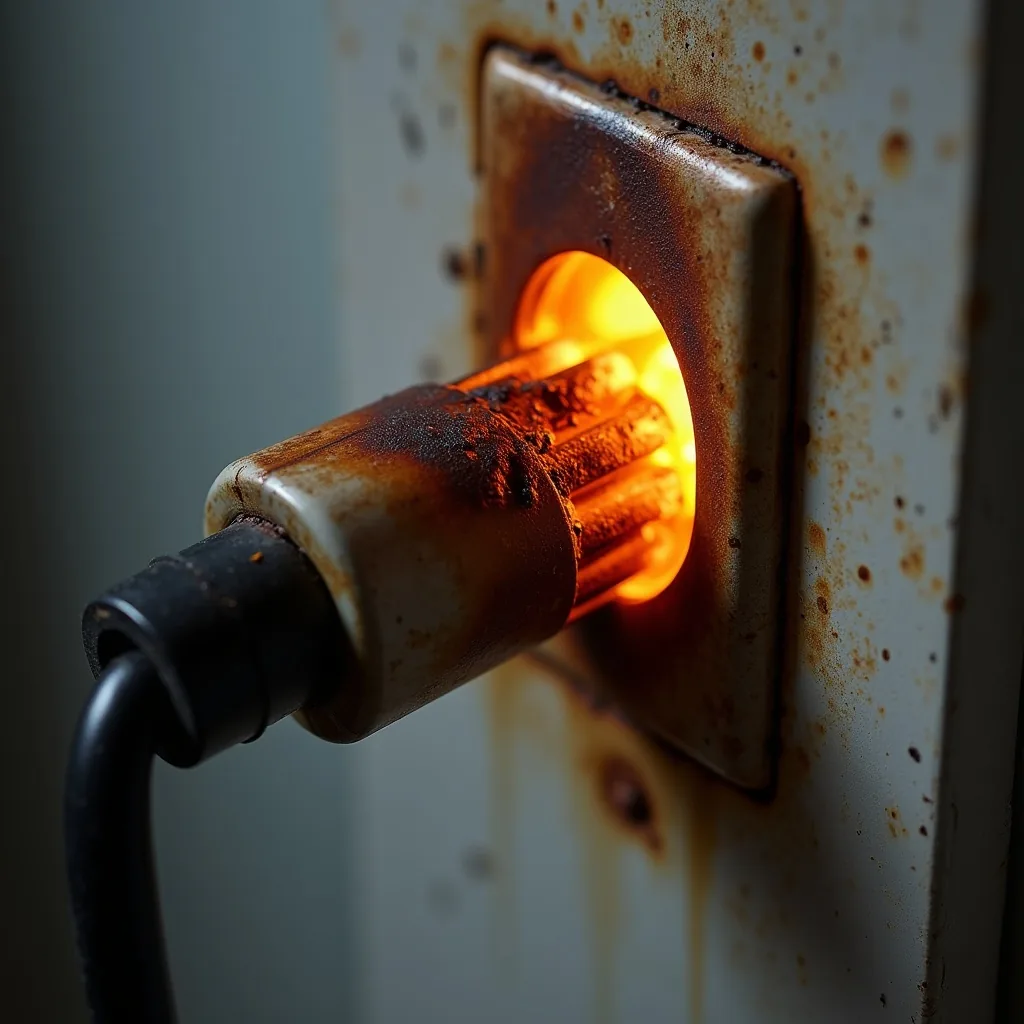
An electrical emergency can happen without warning. A burning smell from a socket, sparks from an appliance, or a shock that makes your heart race—these moments demand clear thinking and the right response. Your safety depends on knowing what to do before professional help arrives.
This guide covers the most common household electrical emergencies and the steps you should take to protect yourself and your family.
Burning Smell or Visible Smoke
A burning smell from an electrical source is a serious warning sign. It often means overheating, damaged wiring, or a fault inside an appliance or the wall itself.
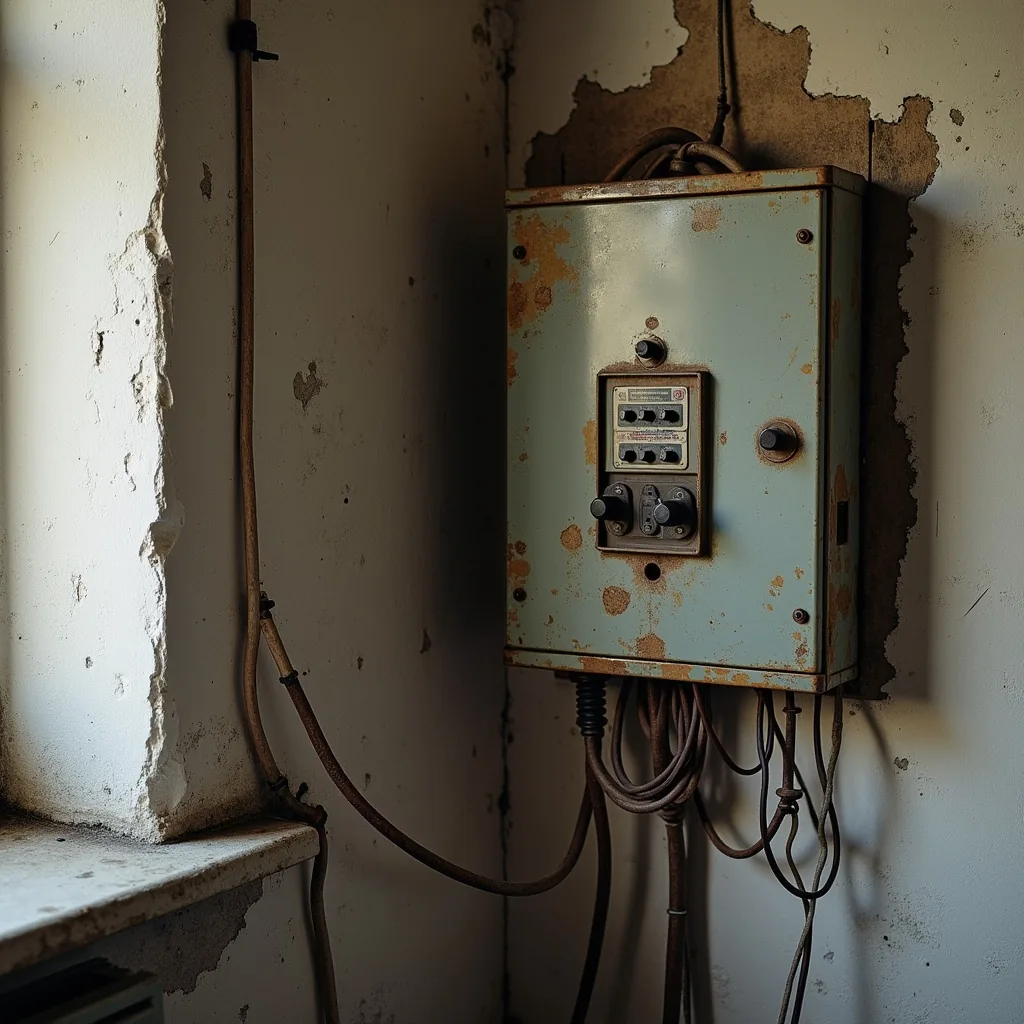
- Turn off power to the affected area immediately—go to your fuse box (Sicherungskasten) and switch off the relevant circuit breaker (Sicherung / LS-Schalter), or unplug the appliance if it is safe to reach
- Do not touch the source of the smell or open any wall panels
- Open windows to ventilate; leave the building if smoke appears
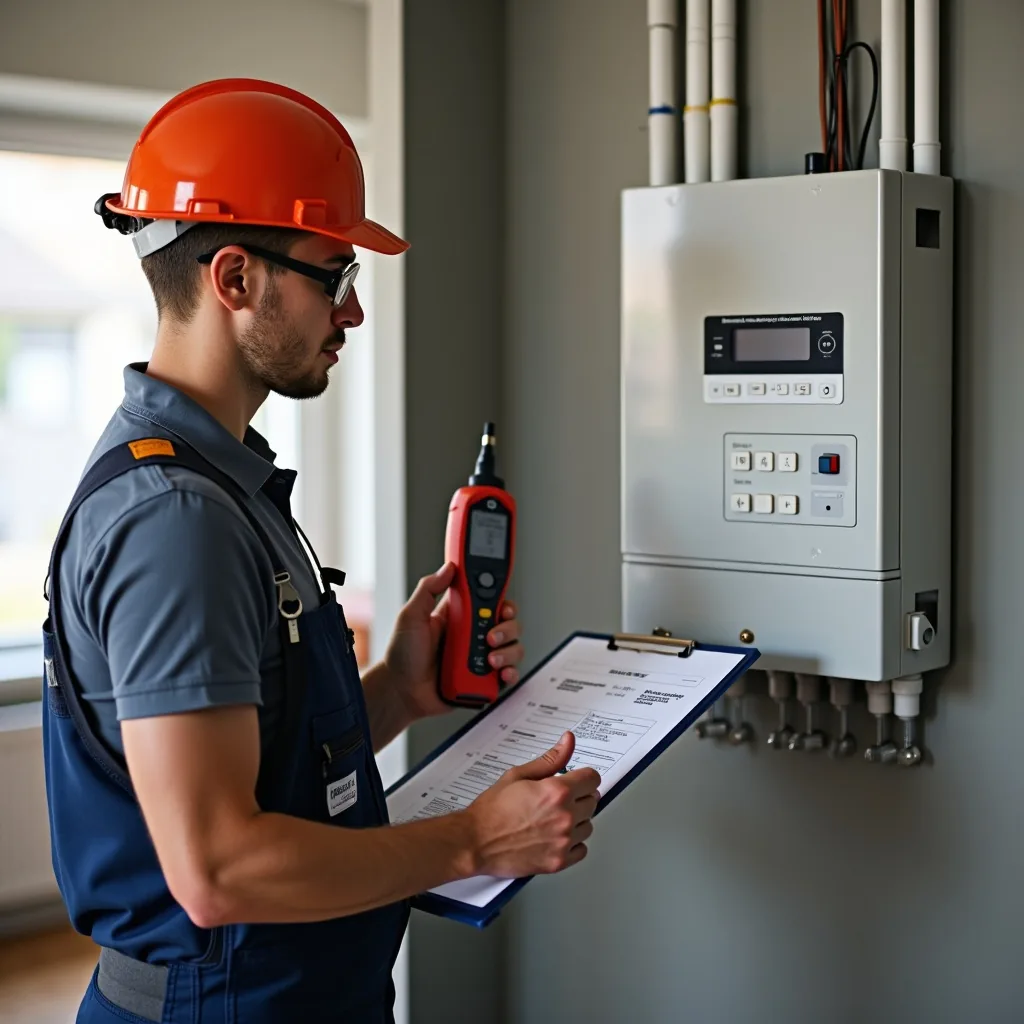
- Call a certified electrician at once. Do not wait to see if the smell returns
- If the smell is coming from inside walls or you cannot locate it, contact a professional immediately
Burning insulation can release toxic fumes and may precede electrical fire. Act fast and do not take chances.
Sparks, Arcing, or Flashing Lights
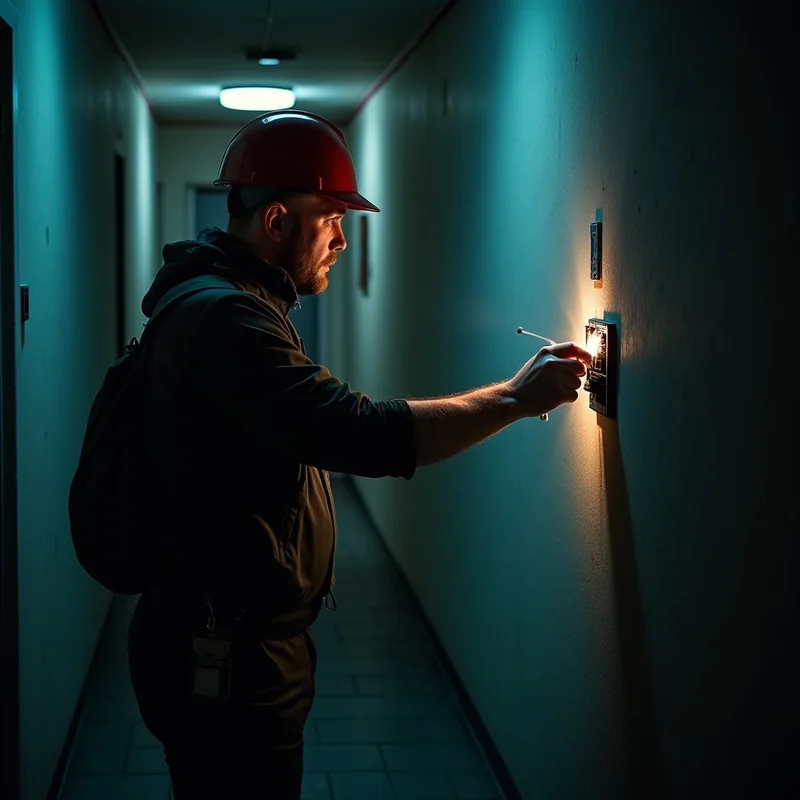
Visible sparks or blue flashing arcs between contacts are signs of dangerous electrical faults. Arcing occurs when electricity jumps across a gap and can cause fires and serious injury.
- Switch off the appliance or circuit immediately
- Do not touch the source or try to investigate
- Unplug the device if you can do so safely from a distance
- Avoid using that circuit or appliance until a professional has checked it
- Call an electrician; arcing indicates a serious fault that requires expert diagnosis
Never assume sparks will stop on their own. They indicate damage that will worsen without repair.
Electric Shock or Electrocution Risk
If someone has received an electric shock, your response in the first moments is critical.
- Do not touch the person if they are still in contact with a live source—you will also be electrocuted
- Turn off power at the fuse box or unplug the appliance if you can reach it without touching the person or the live source
- If you cannot safely isolate the power, push the person away using a non-conductive object (wooden broom handle, dry plastic stick)
- Call emergency services (112) immediately, even if the person appears fine—internal injuries or heart rhythm problems may develop
- If the person is unconscious and not breathing, begin CPR only if you are trained to do so
- Keep the person warm and calm while waiting for help
Electric shock can cause invisible internal injury. Medical assessment is essential even after apparent recovery.
Water and Electricity Contact
Water is a conductor. Contact between water and electrical systems creates serious shock and electrocution risk.
If water is actively touching live wiring or appliances:
- Do not enter the water
- Turn off power to that area from the fuse box immediately
- Do not touch wet switches, plugs, or appliances
- Keep others away until the area is dry and checked by a professional
If water is present but not actively touching electricity:
- Turn off power to affected circuits as a precaution
- Dry the area thoroughly with towels (do not use electrical fans or heaters near water)
- Wait for professional inspection before restoring power
- RCDs (FI-Schalter)—safety devices that cut power if a fault is detected—should protect most modern circuits, but do not rely on them alone
Flooded basements, leaking pipes near electrics, or water entering switchboards all require professional assessment. Call an electrician before attempting to clean up or restore power.
When to Call for Emergency Help
Some electrical faults are urgent; others can wait for a daytime appointment. Call a professional immediately if you experience:
- Burning smell or smoke from any electrical source
- Sparks, flashing, or arcing from a socket, switch, or appliance
- Electric shock (call emergency services first, then an electrician)
- Water contact with electrical systems
- Repeated circuit breaker trips (the breaker keeps switching off)
- Scorch marks or blackening around a socket or switch
- Tingling sensation when touching metal fixtures or appliances
Our English-speaking partner electricians are available 24/7. If you face an electrical emergency, call 015161134271 to get a certified professional to your home quickly.
Before Help Arrives: Key Safety Rules
While waiting for an electrician, follow these core rules:
- Do not attempt to repair or investigate electrical faults yourself
- Do not assume a fault is minor because it has not caused immediate harm
- Do not use faulty appliances or circuits, even if they seem to work
- Keep children and pets away from the problem area
- Ensure the fuse box (Sicherungskasten) is accessible to the electrician
- If you smell gas as well as burning electrics, leave the building and call emergency services (112)
Electrical safety is non-negotiable. When in doubt, call a professional. It is far cheaper and safer than risking injury or fire.
If you are facing an electrical emergency right now, do not wait. Contact us at 015161134271 and we will arrange a certified electrician to help you.