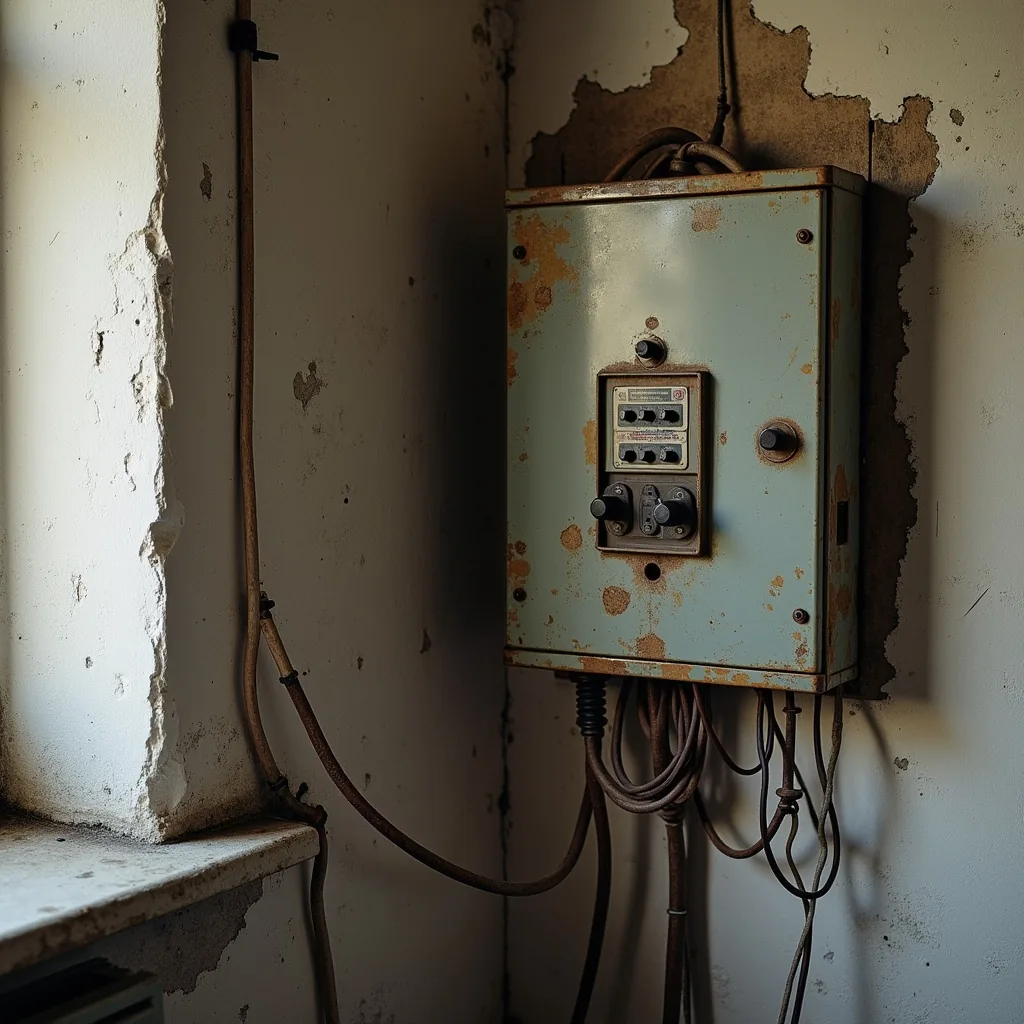
Living in a traditional German apartment or house can be charming, but many older buildings (Altbau) were built when electrical demands were far lower than today. If you have moved into a pre-1970s property, your electrical installation may not meet modern safety standards—and that matters.
This guide explains the most common electrical safety issues in older German buildings, how to spot them, and what steps you should take to protect yourself and your home.
Common Electrical Problems in Older Buildings
German buildings constructed before the 1980s often share similar electrical weaknesses. These are not just inconveniences; they can pose genuine safety risks.
Insufficient Sockets and Overloaded Circuits
In the 1950s, a household needed far fewer electrical outlets than today. A bedroom might have had one socket; a kitchen, perhaps two. Now you need sockets for refrigerators, microwaves, charging devices, computers, and heating equipment.
Many residents resort to extension cords and multi-socket adapters daisy-chained together. This is a common fire hazard. An overloaded circuit can overheat wiring inside walls, where you cannot see the danger building.
Missing or Corroded Earthing
Earthing (also called grounding; in German: Erdung) is the safety path that protects you if electrical equipment develops a fault. Older buildings sometimes have no earth connection at all, or a corroded and unreliable one.
Two-pin sockets without an earth pin are a sign of inadequate earthing. Modern appliances and safety devices (RCD switches, or FI-Schalter in German) depend on proper earthing to work correctly.
Outdated Wiring Materials
Electrical cables in buildings from the 1950s–1970s may have rubber or cloth insulation that becomes brittle and cracks over decades. Copper wiring oxidises, increasing electrical resistance and heat generation. Older fuse boxes (Sicherungskästen) with rewirable fuses or old circuit breakers (Sicherungen / LS-Schalter) cannot respond quickly enough to modern fault conditions.
Lack of Modern Safety Devices
RCD devices (residual current devices, or FI-Schalter) are mandatory in modern German installations under VDE standards. Older buildings often lack them entirely. An RCD cuts power within milliseconds if it detects a fault, preventing electrocution and fire.
Warning Signs Your Altbau Needs Attention
Watch for these red flags:
- Frequent circuit breaker trips or blown fuses (Sicherungen)
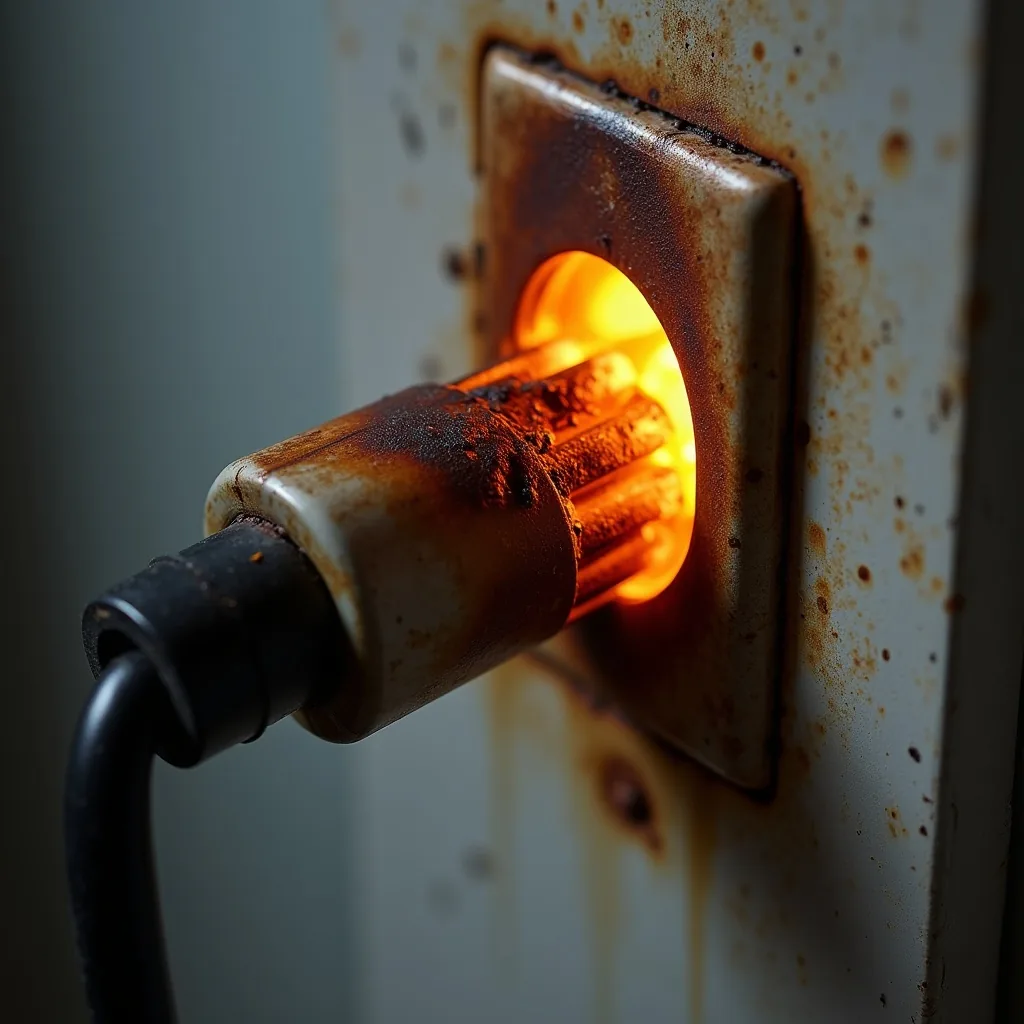
- Discoloured or warm sockets and switches
- A burning smell near outlets or the fuse box
- Flickering lights when you use high-power appliances
- Old, cracked, or discoloured cable insulation visible in the cellar or attic
- Only two-pin sockets (no earth pin)
- Sockets that feel loose or wobble in the wall
- No RCD protection shown in the fuse box
When to Call a Certified Electrician
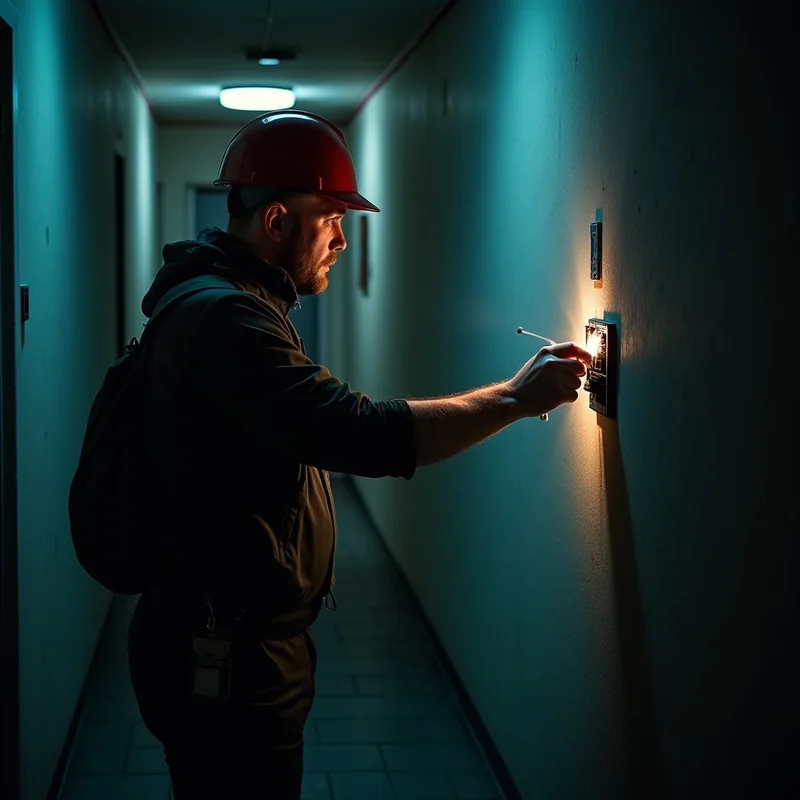
If you have noticed any warning signs, do not wait. Never attempt to repair or inspect electrical wiring yourself. Electrical work requires training and can be fatal if done incorrectly.
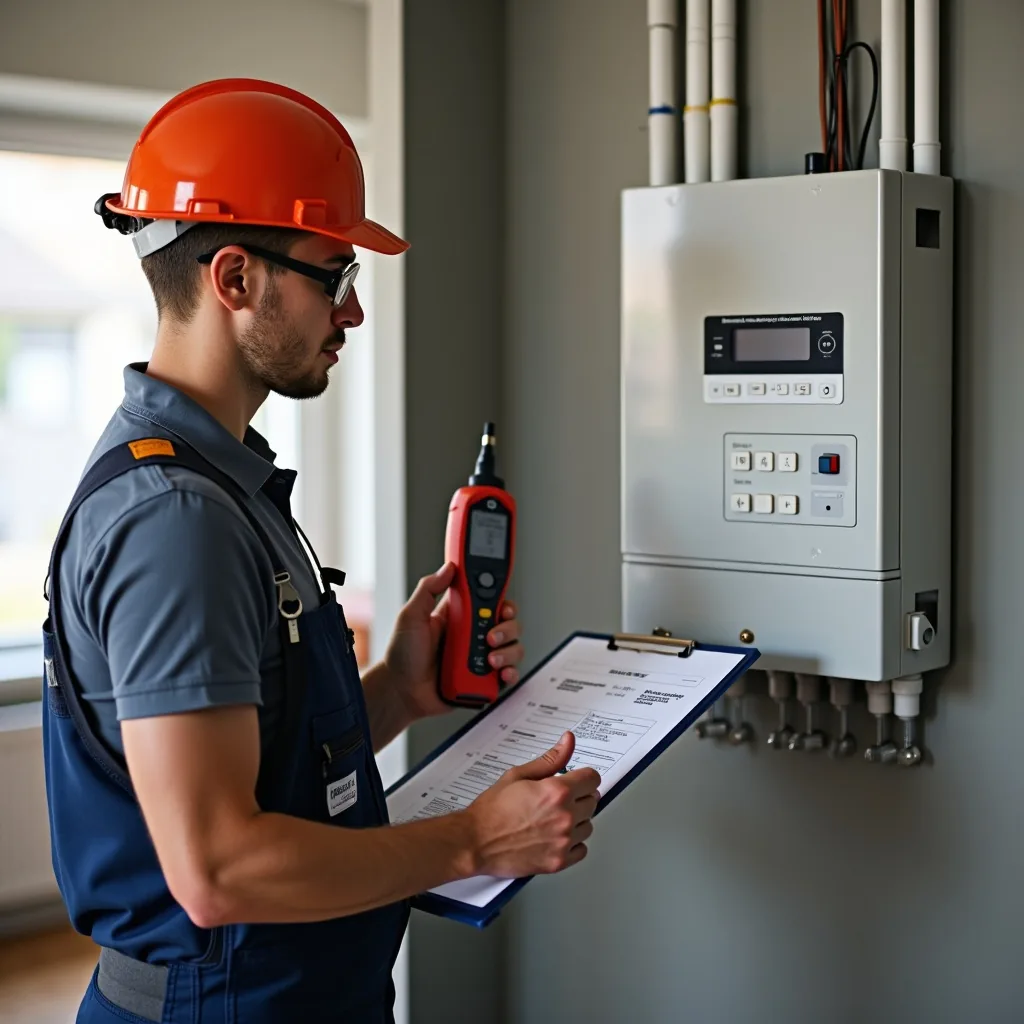
A certified electrician (an Elektrofachkraft in German, required by law) can perform a full electrical installation inspection (Elektroprüfung). This takes 2–3 hours for a typical apartment and identifies all hazards.
Contact us any time on 015161134271. We arrange certified partner electricians across Germany and can organise an inspection at a time that suits you.
Common Remedies in Older Buildings
If an inspection reveals problems, a qualified electrician will recommend repairs. Common solutions include:
- Upgrading the fuse box to a modern circuit breaker panel with RCD protection
- Installing additional sockets to reduce extension cord use
- Replacing old wiring with modern insulated cable (this may require wall chasing or running cable through conduit)
- Adding proper earthing where missing or corroded
- Installing RCD switches on high-risk circuits (bathrooms, kitchens, outdoor areas)
Larger rewiring jobs can take several days and may involve making small channels in walls to run new cables. Your electrician will explain the scope and discuss the least disruptive approach.
Your Rights as a Renter
If you rent an older property in Germany, electrical safety is the landlord's responsibility under German tenancy law (BGB). If you discover safety hazards, you have the right to request repairs. In emergencies—such as a burning smell or sudden loss of power to an essential area—you can withhold rent or request repair at the landlord's expense.
Document any hazards with photos and inform your landlord in writing. If they do not respond within a reasonable time, contact a local tenant advisory service or consider calling a certified electrician and requesting reimbursement.
Taking Action Now
Electrical safety in older buildings is not something to ignore. A professional inspection is the only reliable way to know whether your Altbau is safe. Many older properties pass inspection because earthing and wiring, though dated, are still intact. Others need urgent upgrades.
The cost of an inspection is modest compared to the risk of electrical fire or injury. Our English-speaking advisors can arrange an inspection with a certified electrician in your area within days. Call 015161134271 or contact us online to book an appointment.