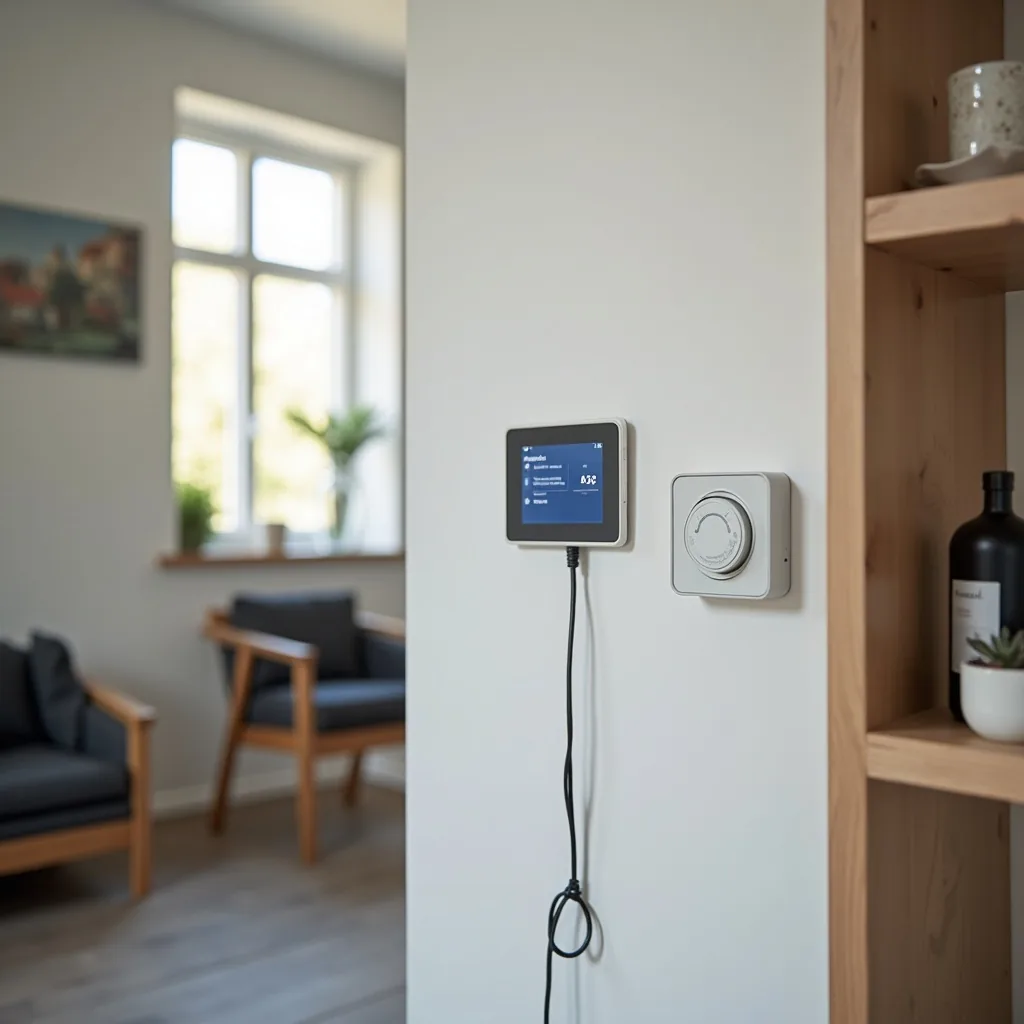
Smart home technology is transforming how people live and work in Germany. From intelligent thermostats to voice-controlled lighting, these devices promise convenience and energy savings. However, before you start installing smart home equipment, you need to understand the wiring fundamentals—and know when professional help is necessary.
This guide explains the basics of smart home wiring in German homes, what electrical work requires a certified electrician, and how to safely integrate smart devices with your existing electrical system.
Understanding Smart Home Device Types and Their Wiring Needs
Not all smart home devices require the same level of electrical work. Some are simple plug-and-play, whilst others need integration into your home's wiring infrastructure.
Wireless smart devices (such as smart speakers, smart lights that use radio frequencies, and wireless sensors) require only a power outlet or battery. These typically need no wiring work at all—just an electrical socket and a Wi-Fi connection.
Wired smart devices (such as smart thermostats, smart lighting controls, and integrated door locks) often connect to your home's existing electrical circuits. These may require work at your fuse box (Sicherungskasten) or modifications to wall-mounted switches and wiring.
Hardwired systems (such as comprehensive smart home automation networks, integrated heating controls, and security systems) typically need dedicated circuits, new cable runs, or connections to your main electrical board. This type of installation almost always requires a certified electrician.
The Role of the Fuse Box in Smart Home Installation
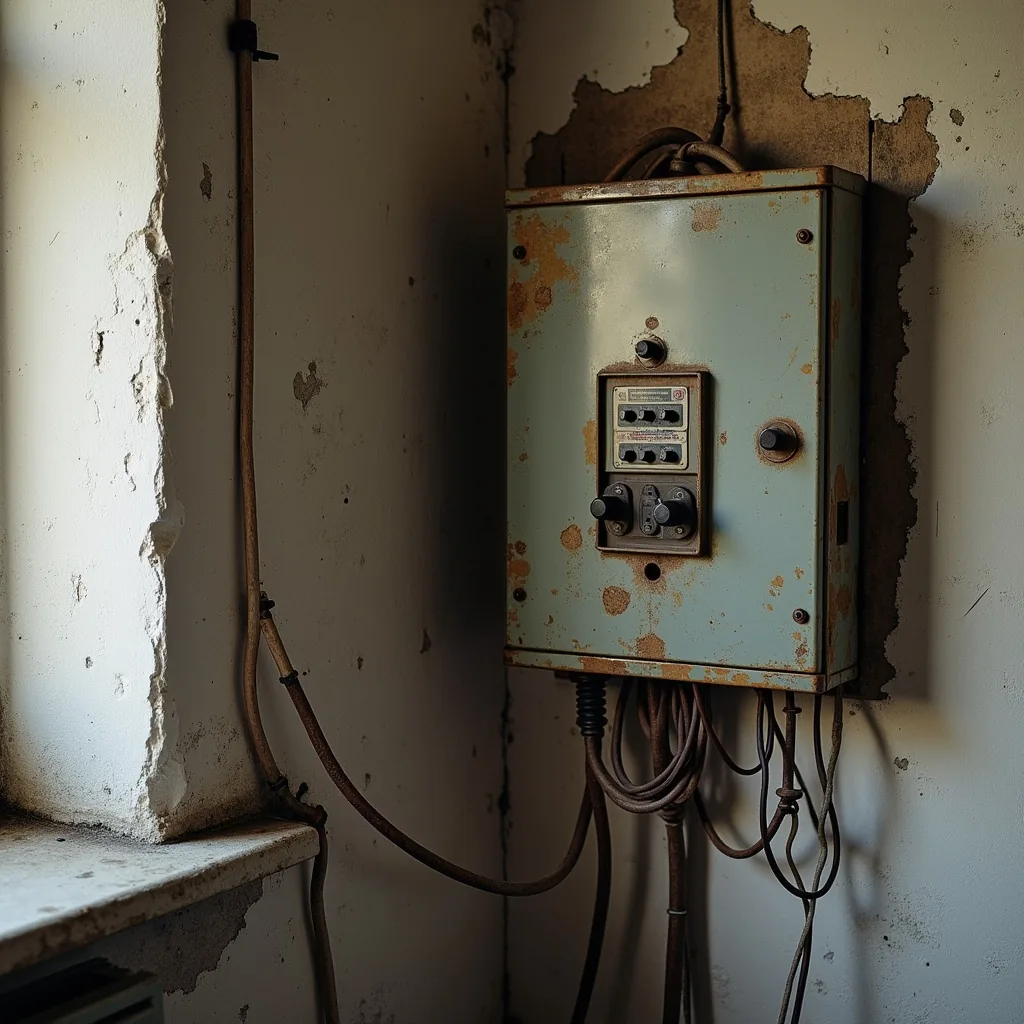
Your fuse box (Sicherungskasten) is the heart of your home's electrical system. In Germany, most residential installations follow VDE (Verband der Elektrotechnik, Elektronik und Informationstechnik—the German electrical standards body) regulations. If your smart home system needs its own circuit or additional power capacity, modifications to the fuse box are necessary.
Important safety warning: Never open, modify, or work inside your fuse box yourself. The electrical current flowing through it is dangerous and can cause serious injury or death. Even small changes—such as adding a new circuit breaker (LS-Schalter) or RCD (FI-Schalter, residual current device)—must be performed by a certified electrician (Elektrofachkraft). This is both a legal requirement in Germany and essential for your safety.
If your smart home system requires fuse box work, contact a professional. We can arrange a certified electrician to assess your needs and handle all modifications safely.
Smart Switches and Lighting Control: What Needs Professional Installation
Smart lighting is one of the most common smart home upgrades. Understanding the wiring implications helps you plan realistically.
Smart bulbs (bulbs with built-in Wi-Fi or Bluetooth) are the simplest option. You simply screw them into existing light fixtures—no wiring work needed. They work with your standard switch and communicate wirelessly with your smartphone or voice assistant.
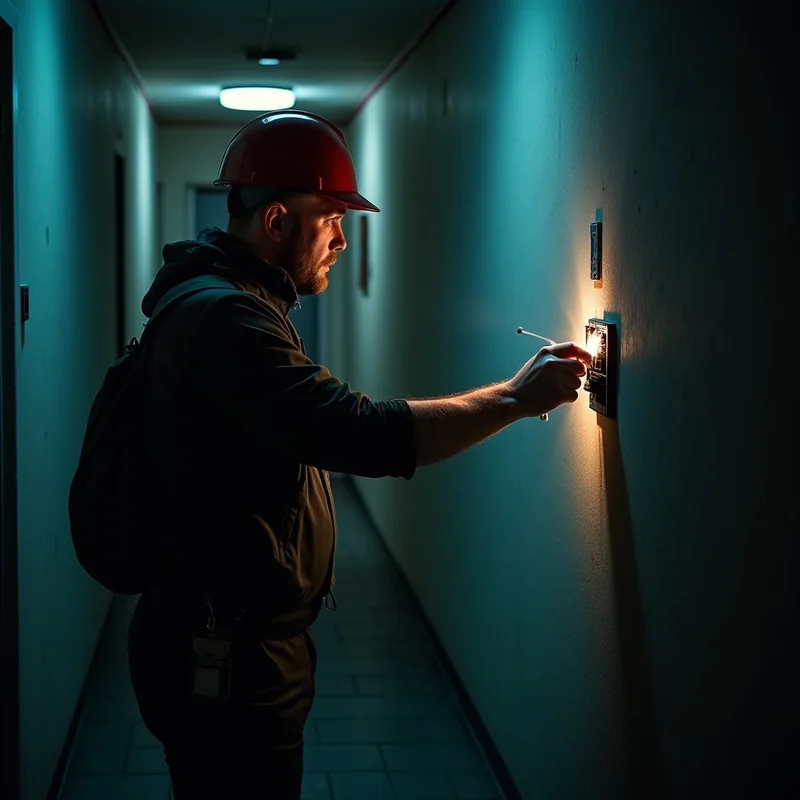
Smart switches (switches that control lights remotely or automatically) often replace your existing wall switches. If the smart switch is designed for your current switch setup and wiring, you may be able to install it yourself—but only if you follow safety rules. Always turn off power at the fuse box circuit breaker before touching any wiring. However, if your home uses older wiring, unusual switch configurations, or if you are uncertain about the electrical setup, a certified electrician should do the work. Never work on live circuits.
Dimmer switches with smart features or switches that need new cable runs definitely require professional installation. Any work involving modifications to existing wiring, new conduit, or changes to circuit design must be done by a certified electrician.
Smart Thermostats and Heating System Integration
Smart thermostats are popular in Germany because they improve energy efficiency and comfort. However, they connect to your heating system's electrical wiring, which means professional installation is often necessary.
Most modern thermostats control your boiler or heating pump through a low-voltage connection (typically 24V). Replacing a standard thermostat with a smart model may be straightforward if:
- The wiring is already in place and compatible
- Your heating system supports the smart thermostat model
- No new cable runs or circuit modifications are needed
However, if your home has an older heating system, unusual wiring, or if you need to integrate multiple smart devices with your heating controls, a certified electrician should assess the installation. Mistakes in thermostat wiring can disrupt your heating in winter—a serious problem in Germany's climate.
Security Considerations and German Electrical Standards
Smart home systems handle sensitive data and control important home functions. German electrical installations must comply with VDE standards, which ensure safety, reliability, and data protection.
When you integrate smart devices with your wiring, consider:
- Your home's earthing (Erdung) and protective measures are correct for smart device installation
- RCD protection (FI-Schalter) is in place for circuits with smart devices
- Wiring is properly insulated and protected from damage or moisture
- New circuits or modifications meet VDE standards
A certified electrician can ensure your smart home setup complies with German regulations and protects both your system and your safety.
When to Call a Professional Electrician
You should call a certified electrician if your smart home project involves any of the following:
- Modifications to your fuse box (Sicherungskasten) or circuit breakers
- Installation of new circuits or dedicated power lines for smart devices
- Upgrading your home's electrical capacity to support multiple smart systems
- Running new electrical cable through walls, ceilings, or conduit
- Connecting smart devices to older wiring or unusual electrical configurations
- Integrating smart thermostats with boiler or heating pump systems
- Any work involving live electrical circuits or main electrical board access
- Uncertainty about your home's existing wiring or electrical setup
If you are unsure whether your smart home installation needs professional help, it is always safer to ask. A quick consultation with a certified electrician can clarify what you can do safely and what requires professional installation.
We arrange certified partner electricians across Germany who understand smart home systems and German electrical standards. If you need professional assessment or installation, call our 24/7 English-speaking team on 015161134271. We will connect you with a local certified electrician who can guide your project safely.