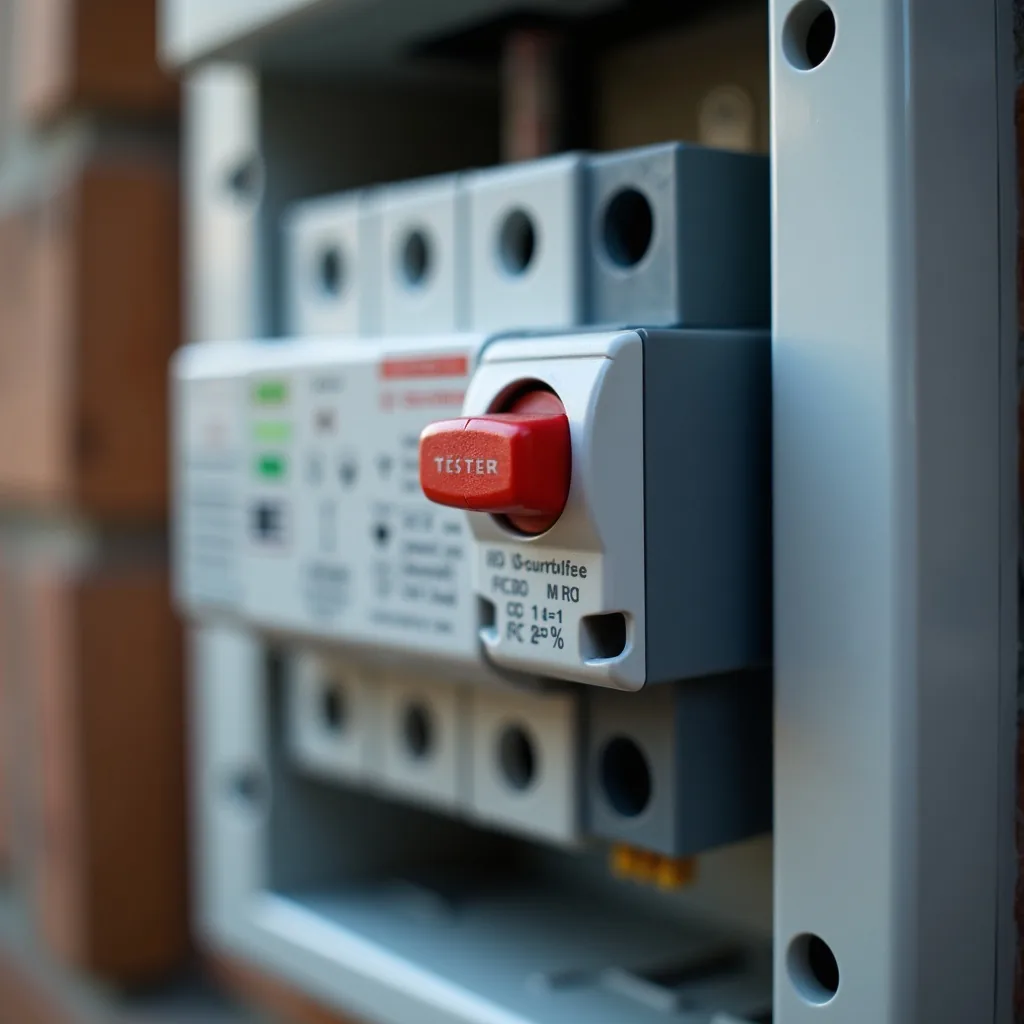
If you live in Germany, you have almost certainly noticed a small switch in your fuse box (Sicherungskasten) with a red and black button on the front. This is your RCD, also called an FI-Schalter in German. Despite its simple appearance, this device is one of the most important safety features in your home. Understanding what it does and how to respond when it trips could save your life.
What Is an RCD (FI-Schalter)?
An RCD stands for residual-current device. In Germany, it is called an FI-Schalter (Fehlerstromschutzschalter). It is an electrical safety switch designed to protect you from electric shock and fire risk.
The RCD works by constantly monitoring the flow of electricity through your circuits. If it detects any imbalance—a sign that electricity is escaping somewhere it should not be—it switches off the power instantly. This happens in milliseconds, far faster than a person could react. In homes across Germany, RCDs are required by law under VDE (Verband der Elektrotechnik) regulations.
How Does an RCD Trip?
Your RCD trips when it detects a fault current—electricity leaking to earth or to the body of an appliance. Common reasons include:
- Water contact with a faulty appliance (a wet kettle, damaged washing machine, or bathroom heater)
- Worn or damaged cable insulation on a power tool or extension lead
- A fault inside a refrigerator, dishwasher, or other built-in appliance
- Damp conditions in a basement, garage, or outdoor socket
- Someone touching a live wire or metal casing of a faulty device
When any of these happens, the RCD detects the escaping current and cuts the power. You will hear a click, and the switch will move to the off position.
The Test Button: Why and How to Use It
Every RCD has a test button, usually marked T or Test. This button deliberately creates a small fault current to check that the RCD is working. You should press it once or twice per year to confirm your RCD is functioning properly.
To test your RCD:
- Make sure no sensitive equipment is running (for example, do not have your computer or TV on during the test)
- Press and hold the test button for a second
- The switch should flip to the off position immediately
- Switch it back on by pressing the switch towards the ON position
- If the RCD does not trip when you press the test button, or if it trips but will not reset, contact a qualified electrician right away
A functioning test is a good sign. If the button does nothing, your RCD may be faulty and you should not rely on it for protection.
Why Your RCD Protects You
Electric shock happens when current passes through your body. A shock as small as 50 milliamps (0.05 amps) can cause serious injury or death. An RCD is calibrated to trip at around 30 milliamps (0.03 amps)—well below the dangerous threshold. This means that if you accidentally touch a live wire or a faulty appliance, the RCD will cut the power before harmful current can pass through you.
RCDs also prevent fires. A small, slow leak of electricity to earth can generate heat over time. An RCD detects this and stops it before it becomes dangerous. This is especially important in kitchens and bathrooms, where water and electricity often meet.
When Your RCD Trips: Is It a Real Problem?
An RCD trip is a sign that something is wrong. However, not every trip means your home is in immediate danger. If your RCD trips once and you can turn it back on without it tripping again, the fault may have been temporary—perhaps a damp extension lead or a brief surge.
However, you should investigate if:
- The RCD trips repeatedly, even after you switch it back on
- It trips every time you use a certain appliance or plug in a particular device
- It trips at night or when no one is using power—this suggests a slow, ongoing fault
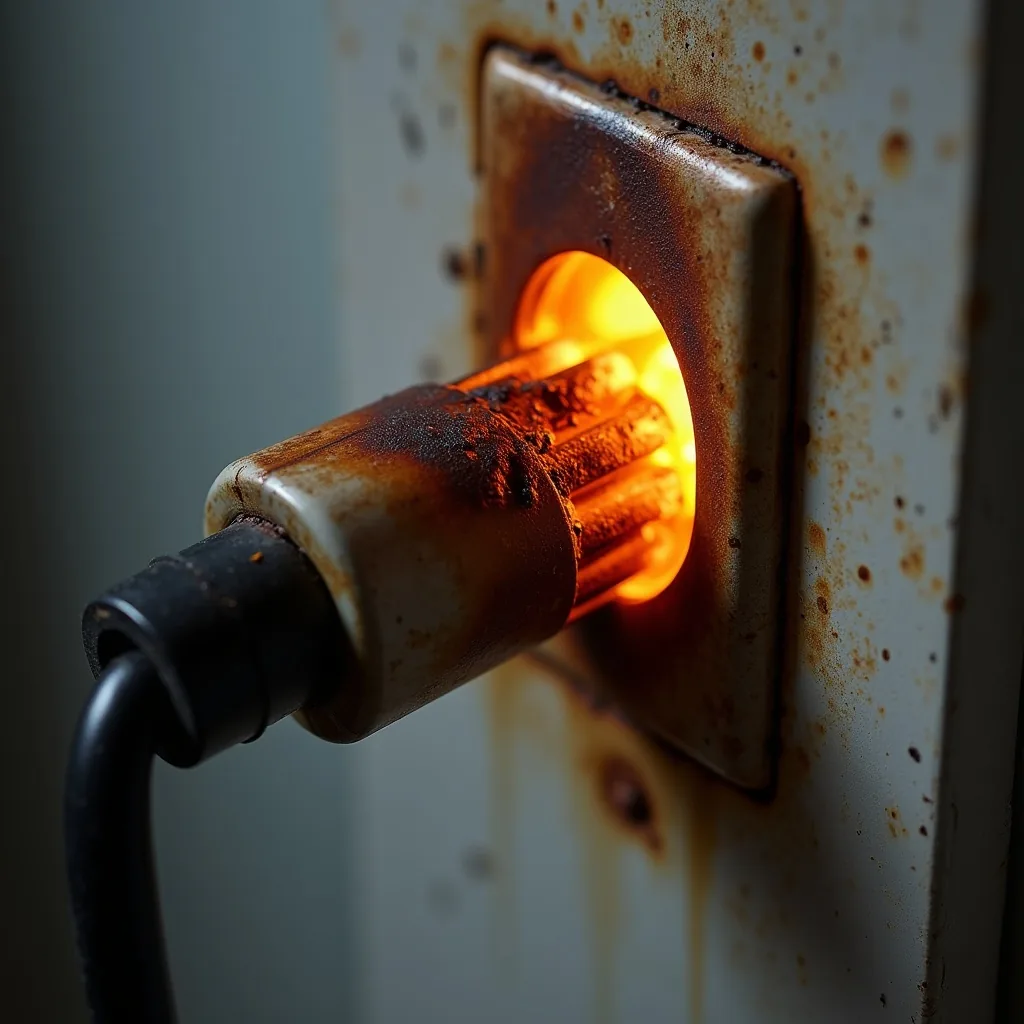
- You see or smell smoke, or notice scorch marks around a socket or appliance
- You find water near your fuse box or electrical equipment
A single trip is your RCD doing its job. Repeated trips mean you need professional help. Do not ignore them, and do not try to bypass the RCD.
What to Do If Your RCD Keeps Tripping
If your RCD trips repeatedly, the first step is to unplug everything from the sockets on that circuit. Then try switching the RCD back on. If it stays on, plug devices back in one at a time until you find which one is causing the fault. That appliance needs to be removed from use.
If the RCD trips even when everything is unplugged, or if you cannot identify which device is the problem, call a qualified electrician. A fault in the wiring itself is dangerous and requires professional repair. You can reach our English-speaking team 24/7 at 015161134271 to arrange an inspection.
Never try to open your fuse box yourself or bypass the RCD with a wire or switch. This removes your protection and puts you at serious risk of electrocution or fire.
RCD Maintenance and Safety
Your RCD requires very little maintenance. Test it twice a year. Keep the fuse box dry and well-ventilated. If you live in a damp area—a cellar or ground-floor flat, for instance—consider having an electrician check your RCD more often.
If you are moving into a new rental or have just bought a property, ask to see when the RCD was last tested and serviced. Some electricians recommend replacing RCDs after 10–15 years to ensure reliability, though German-made units often last much longer.
If you have any doubts about whether your RCD is working or why it keeps tripping, get a professional opinion. Our network of certified electricians across Germany is available to help. Call 015161134271 any time, day or night.