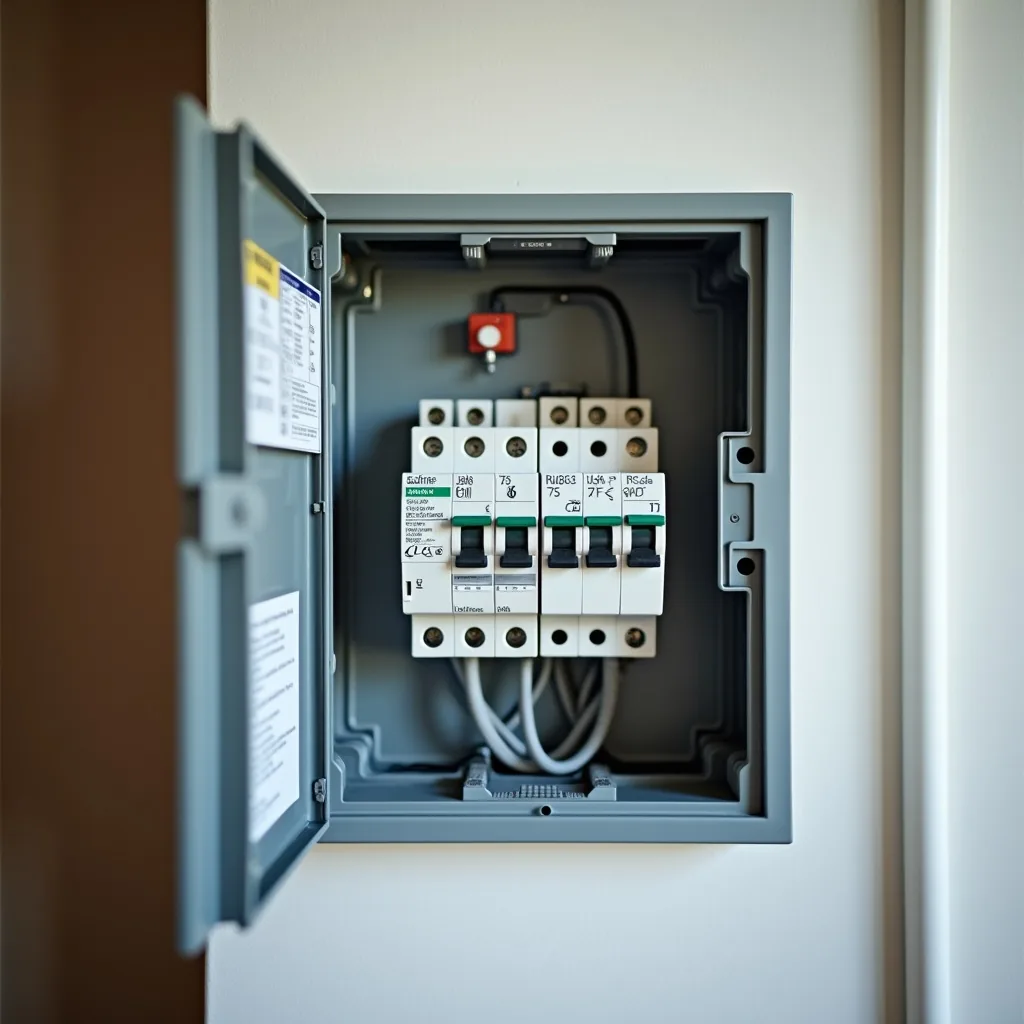
If you are renting or have just moved into a home in Germany, you may have noticed a grey or white box on your wall labelled Sicherungskasten (consumer unit or fuse box). This is the central point where all the electricity in your home is controlled and protected. Understanding how it works is useful for troubleshooting problems and knowing when you need professional help.
What Is a Sicherungskasten?
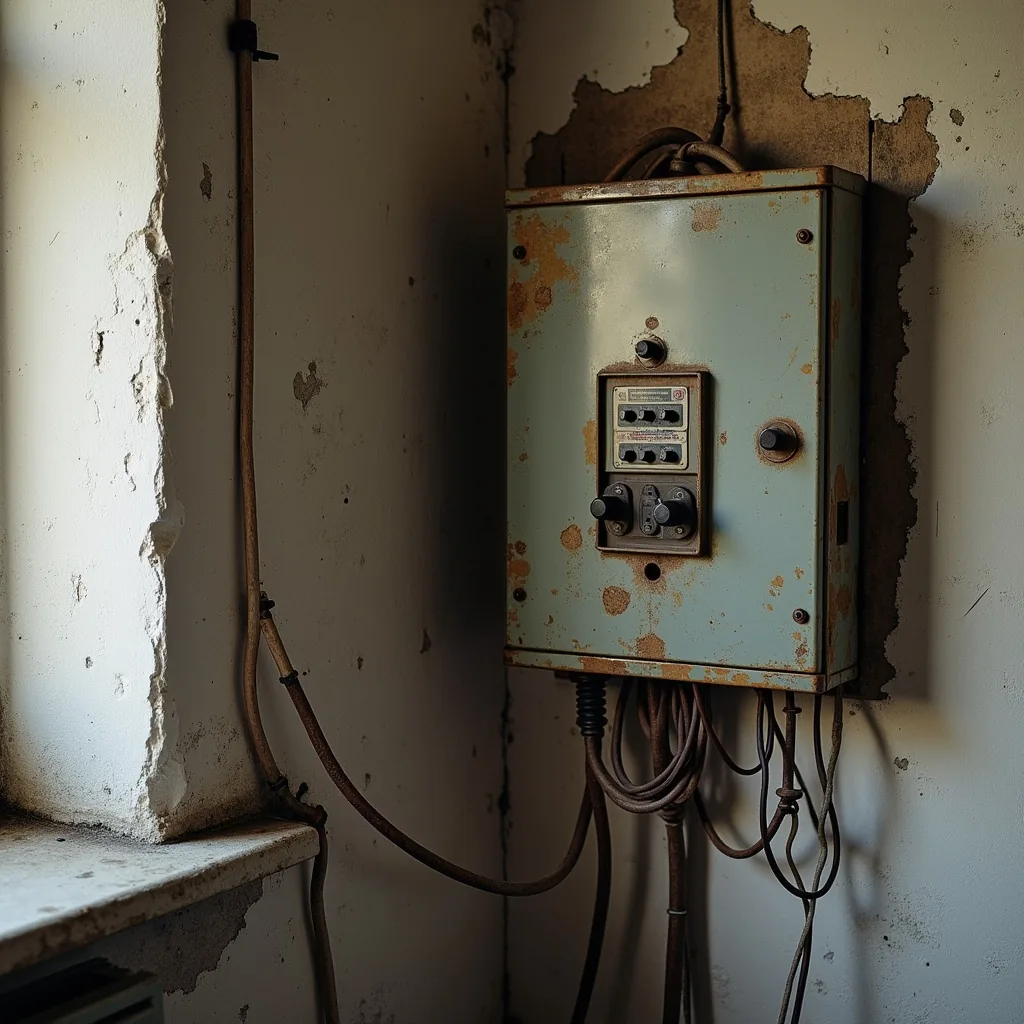
A Sicherungskasten (pronounced "zee-ker-oongs-kah-sten") is the distribution board that brings power from your building's main supply into your flat or house and divides it into separate circuits. Each circuit powers different areas or appliances—kitchen, bedroom, bathroom, and so on. The box contains switches and protective devices that work together to keep your home safe from electrical faults, overloads, and fire.
German electrical systems are built to very high safety standards (VDE standards), and your fuse box reflects that. Unlike older fuse boxes in other countries, modern German consumer units use MCBs (circuit breakers, or LS-Schalter) and RCDs (residual current devices, or FI-Schalter)—devices that respond far faster than traditional fuses and are more reliable.
The Main Components You Will See
When you open the door of your Sicherungskasten, you will see several key parts:
Main Switch (Hauptschalter)
Usually at the top or bottom of the box, the main switch is the large lever that cuts power to your entire home. If there is a serious electrical problem, or if you need to work safely on an appliance, you flip this switch to "off". It is the master control and the safest way to kill power before calling a professional.
Meter (Zähler)
This dial or digital display shows how much electricity you are using. Your utility company reads this to charge your bill. It is usually separate from or integrated into your consumer unit.
MCBs – Circuit Breakers (LS-Schalter)
These are the small switches arranged in rows inside the box. Each one protects a different circuit in your home. When an electrical fault or overload occurs on that circuit, the MCB trips (flips itself off) to cut power and prevent fire or injury. They come in different amperages (usually 10A, 16A, 20A, 32A) depending on what they protect.
RCD – Residual Current Device (FI-Schalter)
This is a special protective switch, often larger than the MCBs, that detects any leakage of current to earth (ground)—for example, if someone touches a live wire or if water makes contact with electrical equipment. RCDs typically trip at 30mA (milliamps) and work much faster than MCBs alone. Many modern German consumer units have an RCD protecting all circuits, or separate RCDs protecting high-risk areas like bathrooms and kitchens. This is why German homes have excellent protection from electrocution and water-related faults.
DIN Rail and Terminals
The metal rail inside holds all the breakers. At the bottom are neutral and earth terminals where wires are connected. Do not touch these unless you are a qualified electrician—live electricity may be present even if the main switch is off.
Where Is Your Fuse Box Usually Located?
In Germany, the Sicherungskasten is typically found in one of these places:
- Near the building entrance or main hallway
- In a utility room or Keller (basement)
- On an external wall of the building
- Inside a kitchen cupboard (less common but possible)
In flats (apartments), it is usually in a communal hallway or on the flat's exterior wall. In detached houses, it may be in a shed or garage. If you cannot find yours, ask your landlord or building management (Hausmeister or Hausverwaltung)—they should know exactly where it is.
How to Read Your Fuse Box Safely
You can safely look at your Sicherungskasten to understand which circuit controls which rooms. The labels inside the door (or on a sticker) will show what each MCB protects. For example, "Wohnzimmer" (living room), "Küche" (kitchen), "Bad" (bathroom).
If you want to test an RCD, you can press the small test button marked "T" on the device itself while the main switch is on. It should trip immediately. If it does not, contact a qualified electrician—your protection may be faulty.
Do not attempt to open the box further or work on any wiring inside. Even with the main switch off, residual voltage may be present. Only a trained electrician should touch internal components.
Common Fuse Box Problems and What to Do
If an MCB trips repeatedly, it means too much load is on that circuit, or there is a fault. Switch it back on; if it trips again immediately, turn it off and call a professional. Do not keep resetting it.
If the main switch will not turn on or turns off on its own, there may be a serious fault in your home's wiring or installation. This is dangerous and requires immediate attention from a certified electrician.
If your RCD trips, it usually means water is involved or there is a fault to earth. Check for wet appliances or damaged cables; if you cannot find the cause, call an electrician.
For any concern about your Sicherungskasten or if you need it inspected, our referral team can connect you with a qualified partner electrician. Call us on 015161134271 anytime, 24/7, with questions.
When to Call a Professional
Always contact a certified electrician (Elektrofachkraft) if:
- The main switch is hard to move or stuck
- An MCB or RCD trips repeatedly
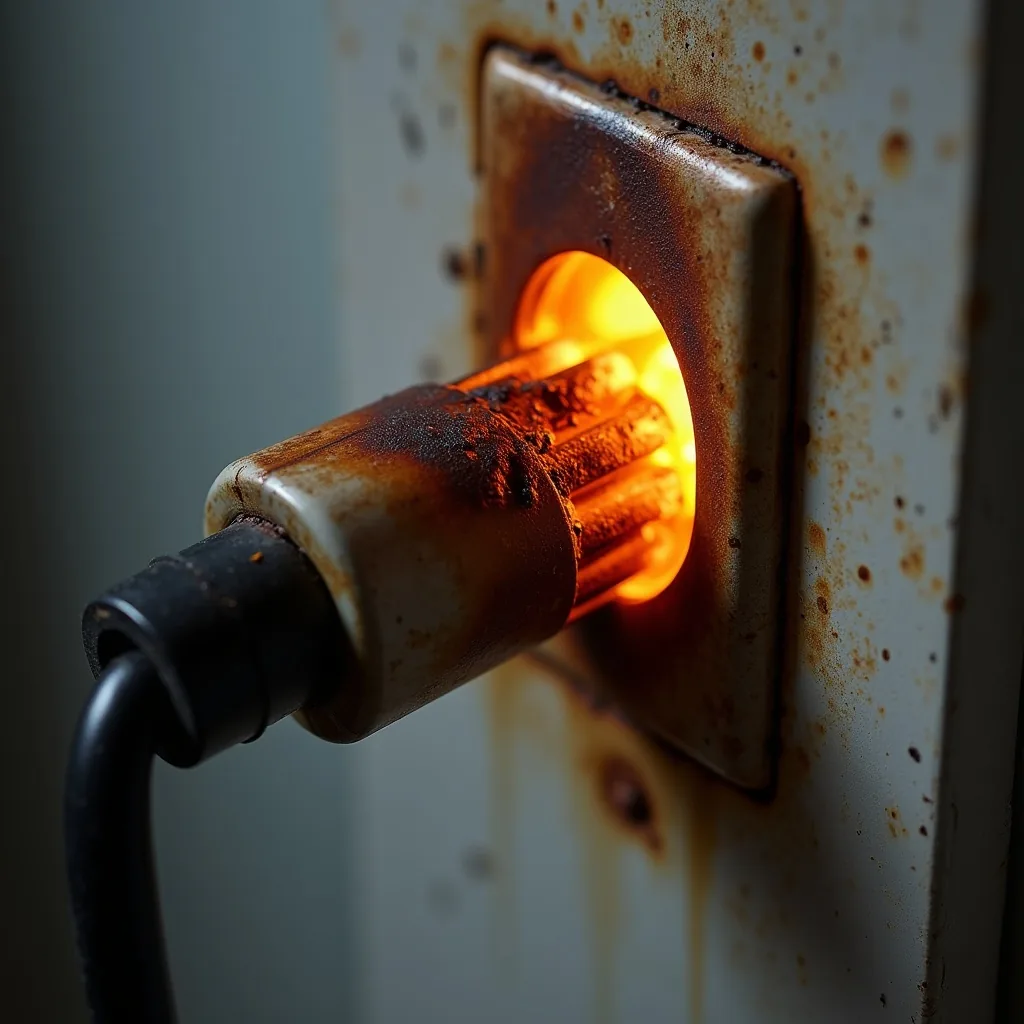
- You smell burning or see signs of damage inside the box
- The box is outdated or you have no RCD protection
- You want to add a new circuit or appliance
- You are unsure whether your installation meets current safety standards
German electrical codes change, and if your home is older, your fuse box may not meet the latest VDE requirements. A professional inspection can confirm safety and recommend upgrades if needed.
Understanding your Sicherungskasten gives you peace of mind and helps you respond calmly if something goes wrong. Treat it with respect, use the main switch when needed, and always call a qualified electrician for anything beyond looking and understanding the labels.