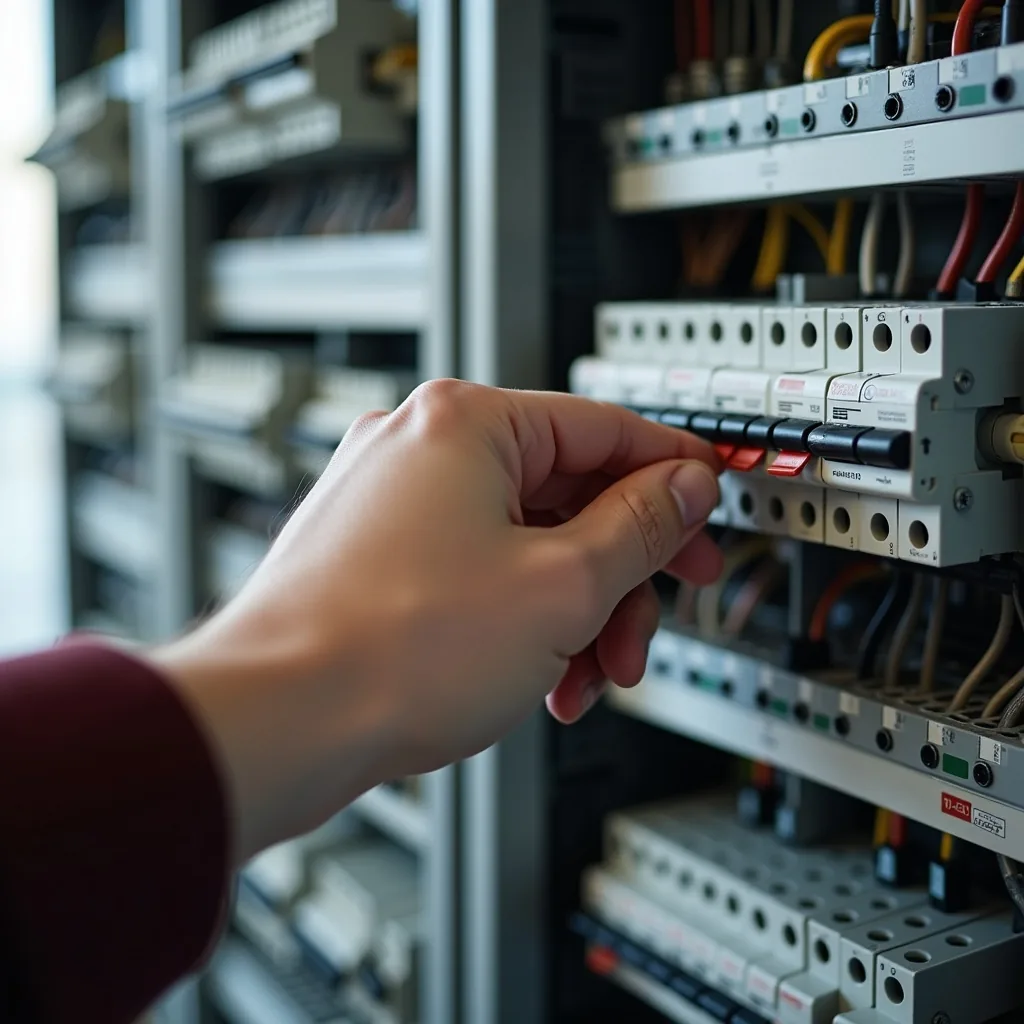
If your circuit breaker keeps tripping—switching off the power to part or all of your home—it is your electrical system's way of protecting you from danger. In Germany, modern homes use circuit breakers (LS-Schalter or Leitungsschutzschalter) or RCDs (FI-Schalter, residual current devices) instead of older fuses. When one trips repeatedly, something is wrong, and it always deserves investigation.
This guide explains the most common reasons your fuse or breaker trips, what you can safely check yourself, and when you must call a certified electrician.
Why Does a Circuit Breaker Trip?
A circuit breaker is a safety device. It cuts power when it detects two main problems:
- An overload: too many appliances drawing power from one circuit at once.
- A short circuit or fault: damaged wiring or a faulty appliance creating an unsafe electrical path.
When your breaker trips, it is doing its job. Ignoring repeated trips or forcing it back on puts your home at serious fire and shock risk.
Most Common Causes of Repeated Tripping
Overloaded Circuit
The simplest cause: you are using too much power on one circuit. For example, running a kettle, tumble dryer, and electric heater from the same socket at the same time can exceed the circuit's capacity. In German homes, most standard circuits are rated for 16 amps.
Safe step: Unplug one or two high-power appliances and reset the breaker. If it stays on, you have found the problem. Avoid using them together in future, or have an electrician assess whether the circuit needs upgrading.
Faulty Appliance
A damaged kettle, washing machine, dishwasher, or heater with internal wiring faults can cause a short circuit. The breaker trips as soon as you switch it on.
Safe step: Unplug the suspected appliance and reset the breaker. If the problem stops, the appliance is faulty and should not be used. Do not try to repair it yourself.
Damp or Water Ingress
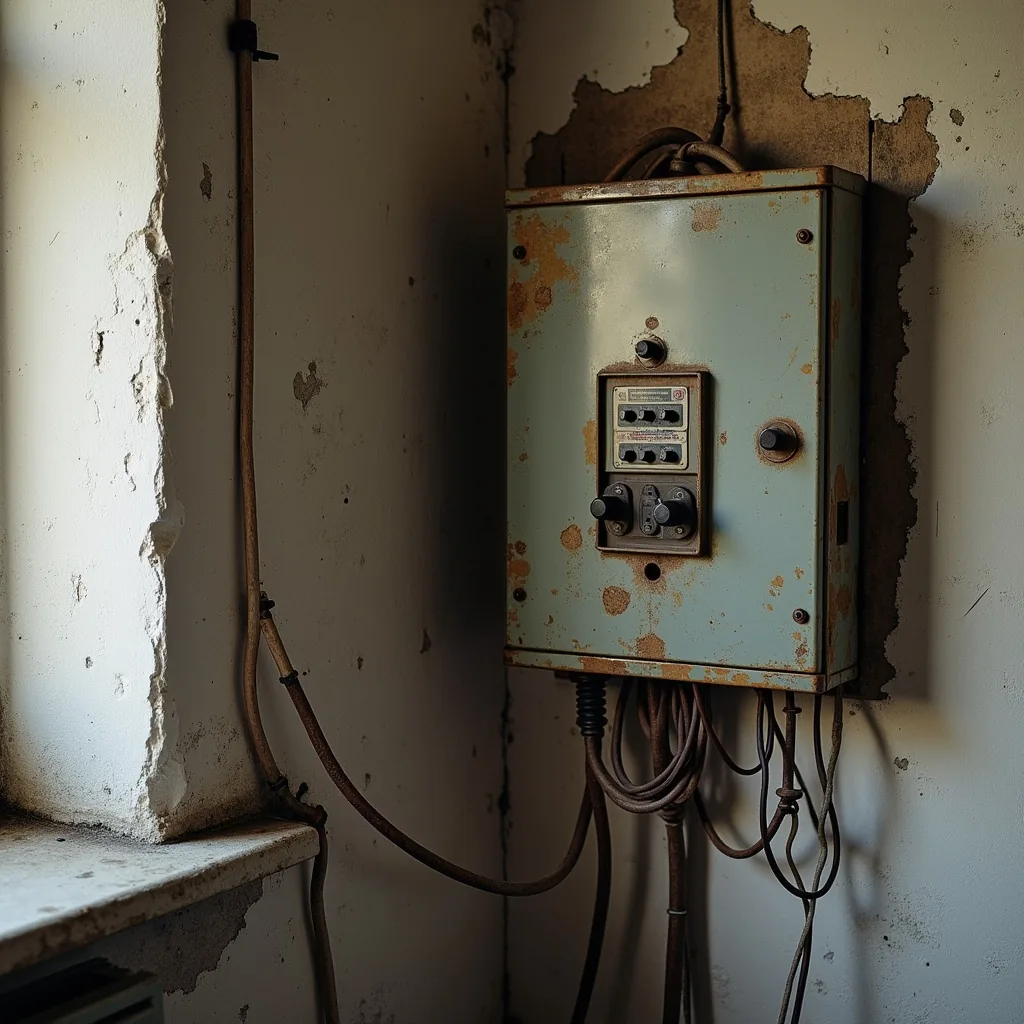
Moisture in your fuse box (Sicherungskasten), socket, or wall wiring lowers electrical resistance. This triggers the RCD (FI-Schalter) to trip as a shock protection measure. This is common in kitchens, bathrooms, or basements, especially after flooding or pipe leaks.
Safe step: Check visually for damp around sockets or the fuse box. If you see moisture, do not attempt to dry or clean it yourself. Call an electrician immediately.
Damaged or Loose Wiring
Over time, old wiring insulation cracks, or connections in the walls or fuse box loosen. This creates intermittent faults that trip the breaker unpredictably.
Safe step: Do not touch or investigate wiring yourself. Contact a certified electrician.
Faulty Breaker or RCD Unit
The circuit breaker or RCD itself may be defective and tripping for no reason. This is less common but requires professional diagnosis.
Safe step: A professional can test the unit and replace it if needed.
What You Can Safely Check
Before calling an electrician, you may try these simple steps—but only once:
- Check that no single appliance is causing the trip (unplug suspects, one at a time).
- Make sure you are not overloading the circuit by running multiple high-power devices together.
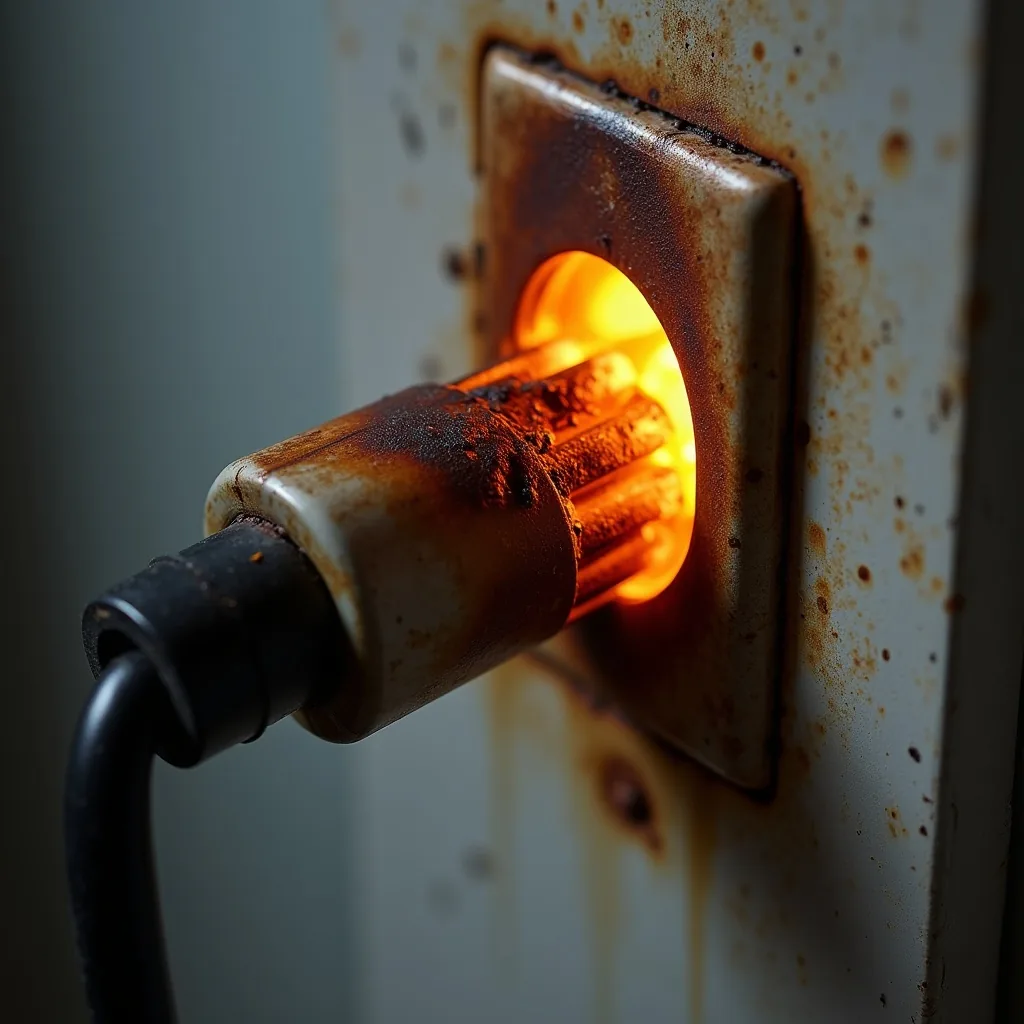
- Look for obvious signs of damp, burn marks, or scorch marks around sockets or the fuse box. Do not touch anything wet or burnt.
- Ensure the breaker switch itself moves freely and is not stuck.
Do not open your fuse box (Sicherungskasten) to inspect wiring, adjust components, or try to clean corrosion. Do not touch any exposed wires or terminals. Electricity in the fuse box is always live and extremely dangerous.
When to Call an Electrician
Contact a certified electrician if:
- The breaker trips repeatedly even after you unplug appliances.
- You see scorch marks, burn smells, or discoloration around sockets or the fuse box.
- There is damp or water near the electrical system.
- The breaker or RCD trips when nothing is plugged in or switched on.
- Tripping is sudden and widespread (affecting many circuits).
- You hear crackling, buzzing, or hissing sounds from the fuse box.
- You are unsure about the cause after a single safe check.
Electrician Experts arranges certified, English-speaking electricians across Germany who can diagnose and repair fuse box issues safely and to German VDE standards. Call our 24/7 hotline at 015161134271 to arrange a visit. We can often arrange same-day appointments for safety-critical problems.
Prevention Tips
To reduce the risk of future tripping:
- Avoid plugging too many high-power devices into one socket or extension lead.
- Keep sockets and the fuse box away from moisture and heat sources.
- Have your wiring inspected professionally every 5–10 years, especially in older homes.
- Use modern appliances with built-in safety features where possible.
- If you live in a damp area or basement, ask an electrician about adding extra RCD (FI-Schalter) protection.
A tripping circuit breaker is a warning sign, not a minor inconvenience. Treating it seriously keeps your home and family safe.