Installing an EV wallbox (Ladestation) at your home in Germany is an exciting step towards electric vehicle ownership. However, it is not a simple plug-and-play job. The installation involves electrical engineering, safety systems, and mandatory registration with your grid operator. This guide explains what is involved and why professional installation is essential.
What Is an EV Wallbox?
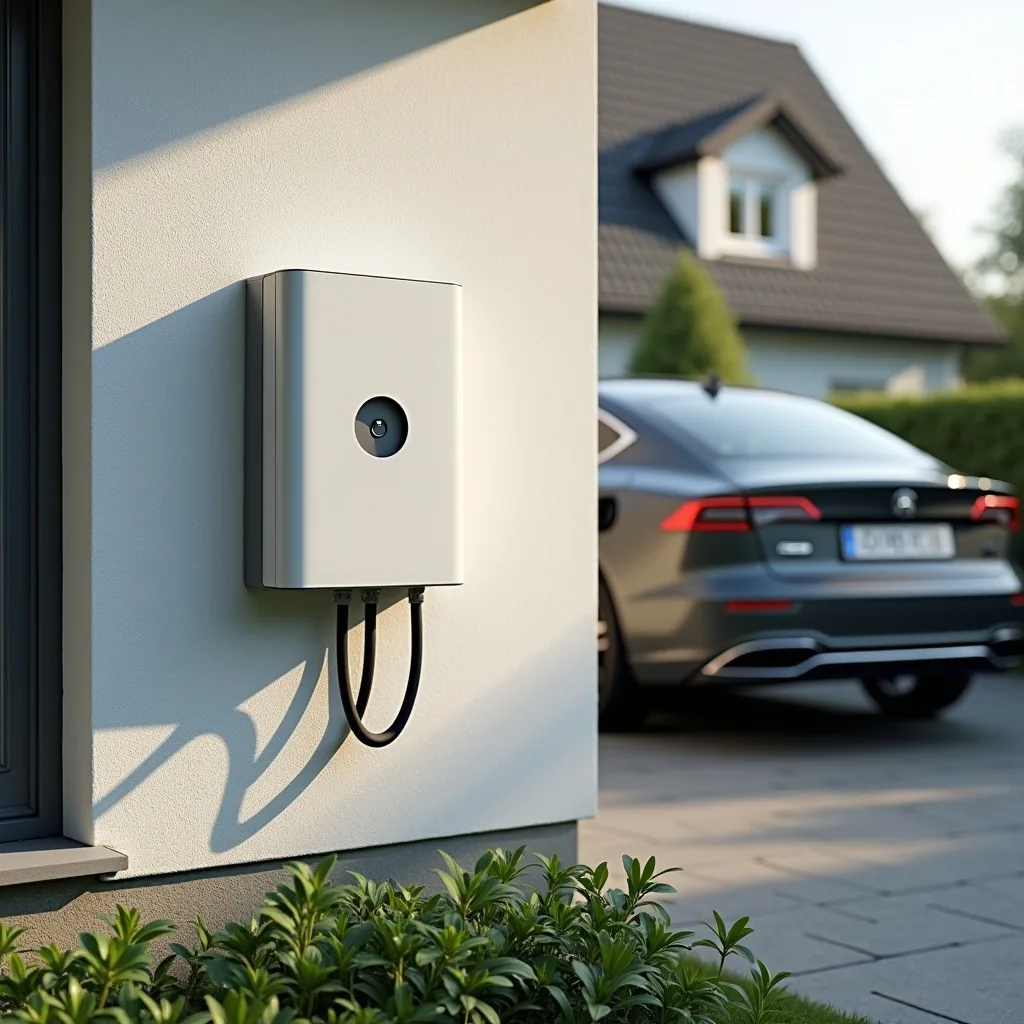
An EV wallbox is a dedicated home charging unit mounted on an external or internal wall. It supplies power to your electric vehicle much faster than a standard household outlet. In Germany, wallboxes typically deliver 3.7 kW (single-phase) to 22 kW (three-phase) of power, depending on your home's electrical capacity and grid connection.
Unlike a portable charging cable, a wallbox is permanently installed and hardwired into your home's electrical system. This requires careful planning, professional installation, and compliance with German electrical standards (VDE 0100, VDE 0105).
Why Professional Installation Is Mandatory
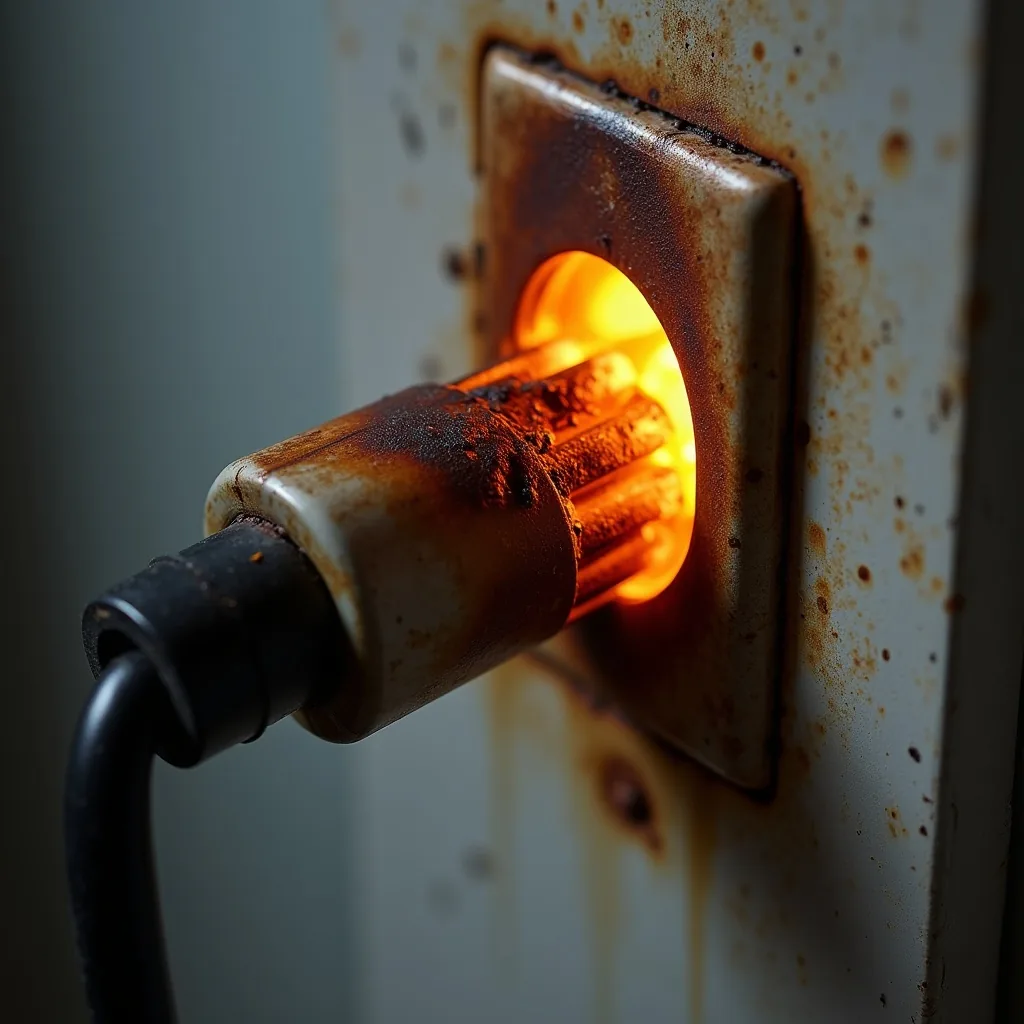
Installing an EV wallbox yourself or using an unqualified electrician is dangerous and illegal in Germany. Here is why:
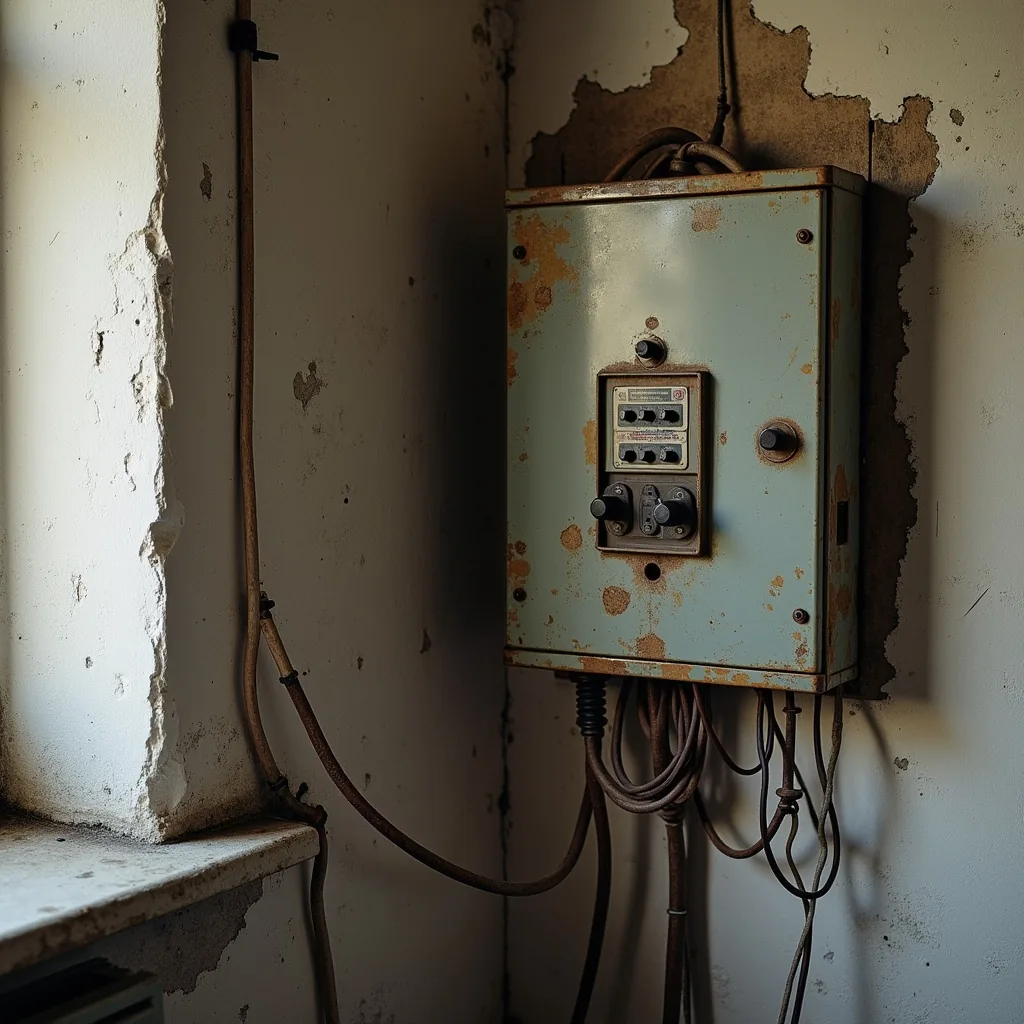
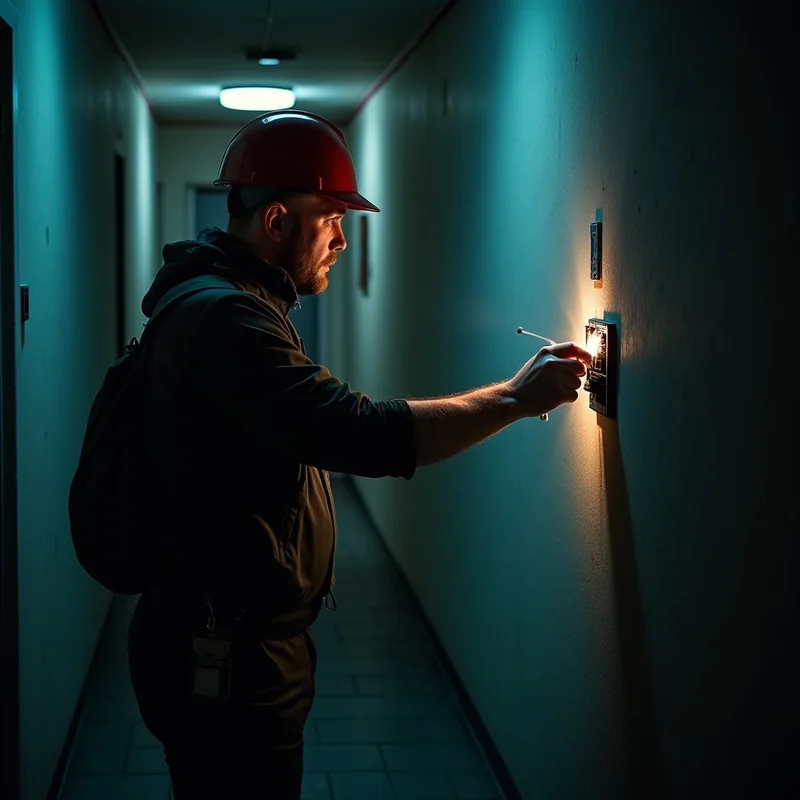
- Live circuit work: Installing a wallbox means working with high-power electrical circuits that can cause serious injury or death. Only qualified professionals should access your fuse box (Sicherungskasten) or run new power lines.
- Permit requirements: You must notify your grid operator (Netzbetreiber) before installation. Non-compliance can result in fines or disconnection.
- Safety standards: The wallbox must be connected through an RCD (FI-Schalter) and properly rated circuit breakers (Sicherungen / LS-Schalter). Errors here can lead to electrical fires or electrocution.
- Insurance and liability: If an unqualified installation causes damage, your home insurance may refuse to pay claims.
The Electrical Circuit and RCD Protection
The heart of your wallbox installation is the electrical circuit. A certified electrician will:
Assess your home's capacity: They check your existing electrical panel and available power. Installing a 22 kW wallbox requires a three-phase connection (Drehstrom); many older homes only have single-phase supply (Einstrom). Upgrading your connection may be necessary and can involve grid operator involvement.
Run a dedicated circuit: A new power line is run from your fuse box directly to the wallbox location. This line is sized according to the wallbox's power rating and German VDE standards. This circuit is separate from your general household circuits.
Install RCD and circuit breaker protection: Every wallbox must be protected by an RCD (residual current device / FI-Schalter) rated to 30 mA. This device instantly cuts power if a person touches a live part or if there is a fault. A dedicated circuit breaker (LS-Schalter) is also installed to protect the circuit from overload.
These safety devices are not optional. They are mandatory under German law and VDE standards. Without them, your wallbox installation is unsafe and non-compliant.
Registration and Grid Operator Approval
Before your wallbox is switched on, it must be registered with your local grid operator (Netzbetreiber). This is not bureaucracy for its own sake—it ensures the grid can handle the additional load.
Your electrician will usually help with this process. You or your electrician must:
- Submit a notification form to your grid operator (often called an Anmeldung or Genehmigung depending on power level).
- Provide technical details: wallbox model, power rating, and location.
- Wait for approval before the wallbox is activated. This can take days or weeks.
- For wallboxes above 11 kW, approval is mandatory. For smaller units, check your specific grid operator's rules.
Your certified electrician will know your grid operator's requirements and handle most of the paperwork.
Steps to EV Wallbox Installation
Here is a typical installation timeline:
- Step 1: Choose your wallbox model and location (usually outside your garage or on an external wall).
- Step 2: Contact a certified electrician. They will visit your home, assess your electrical system, and confirm feasibility.
- Step 3: The electrician prepares your installation plan and submits registration to your grid operator if needed.
- Step 4: Once approved, the electrician installs the new circuit, RCD, and wallbox. This typically takes a few hours to a full day.
- Step 5: The electrician tests everything and provides you with documentation (installation certificate / Installationsbericht).
- Step 6: Your wallbox is activated and ready to charge your vehicle.
Why DIY Is Not an Option
You might be tempted to save money by installing the wallbox yourself. This is strongly advised against:
Electrical safety: Working with high-power circuits without training and proper tools can cause fatal shock. Even experienced electricians follow strict safety procedures.
Compliance: Unregistered or incorrectly installed wallboxes can trigger grid operator intervention, including disconnection of your entire home supply.
Warranty and insurance: Manufacturers require professional installation. Your home and car insurance may not cover damage from a DIY installation.
Financial risk: Fines for non-compliance can be substantial. It is far cheaper to hire a professional from the start.
Getting Professional Help
To arrange a certified electrician for your EV wallbox installation, contact Electrician Experts. Our team can match you with a qualified partner electrician who knows German regulations inside out. Call us on 015161134271 (24/7 English-speaking service) to discuss your project.
A professional electrician will save you time, ensure safety, and guarantee that your wallbox is installed correctly and fully compliant with German standards.