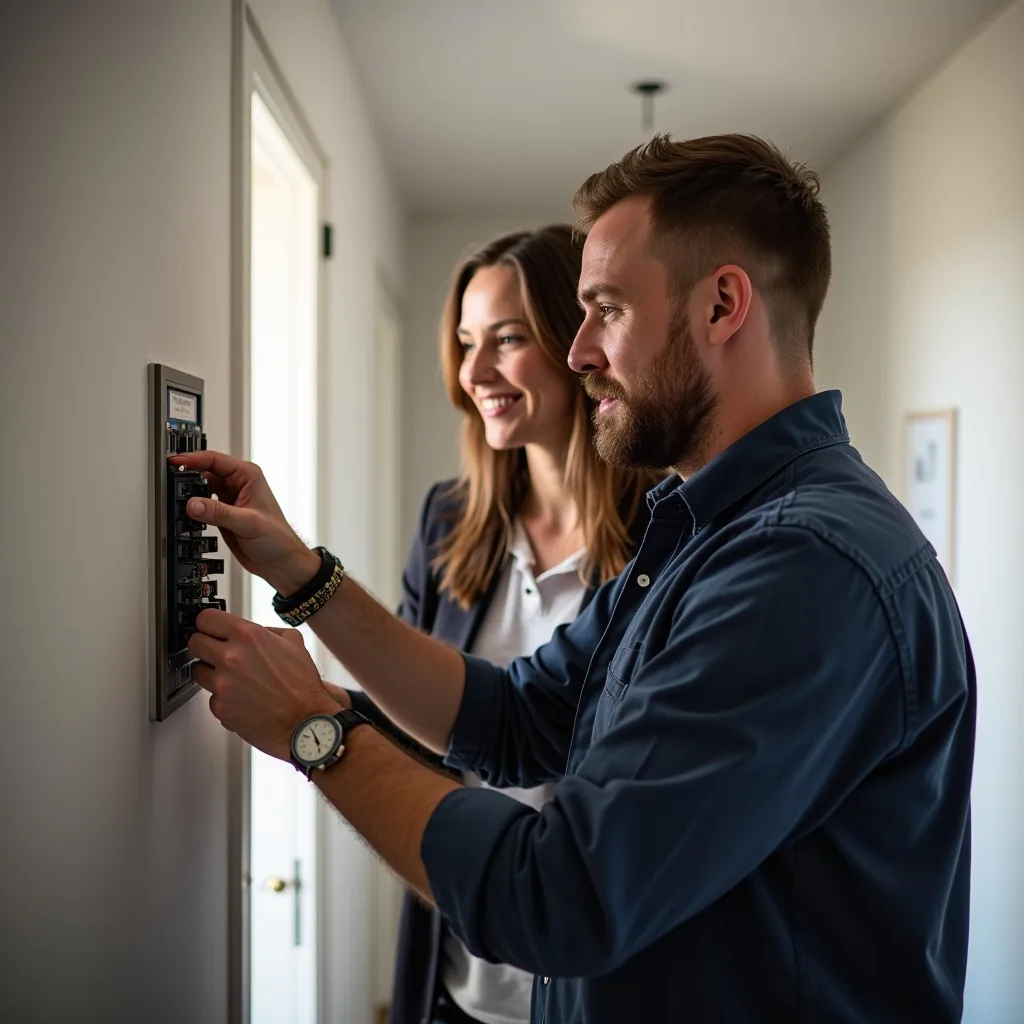
Electrical problems in a rental flat or house can be stressful, especially when you're unsure who should pay to fix them. In Germany, the rules are clear—but they depend on what has broken and why. This guide explains the general split between tenant and landlord responsibilities, and tells you when to call a professional electrician.
The General Rule: What the Landlord Must Maintain
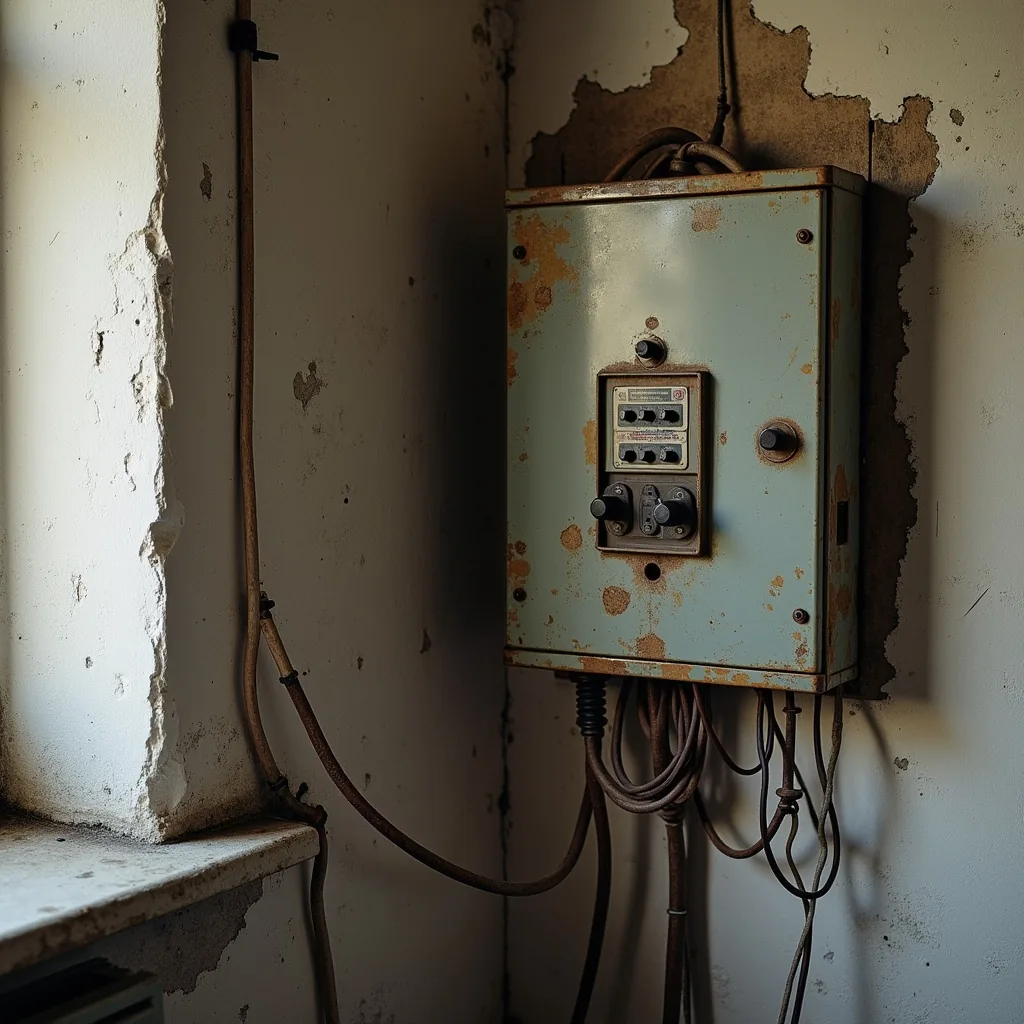
In Germany, the landlord (Vermieter) is responsible for keeping the rental property in a safe, habitable state. This is spelled out in German tenant law (Mietrecht) and building codes (VDE standards). Structural electrical installations—the wiring, fuse box (Sicherungskasten), circuits, and outlets built into the walls—belong to the landlord. If these fail, the landlord must pay for repairs.
Common landlord responsibilities include:
- Replacing faulty wiring or damaged cables in the walls
- Repairing or replacing the fuse box or circuit breakers (Sicherungen / LS-Schalter)
- Fixing an RCD (FI-Schalter) or safety switch if it fails
- Restoring power after a power outage (Stromausfall) caused by a building fault
- Installing or repairing fixed light fittings and outlets
The landlord must also ensure the electrical installation meets German safety standards and passes safety inspections.
Tenant Responsibilities: Damage You've Caused
As a tenant, you are responsible for electrical damage you have caused through misuse, neglect, or an accident. If you have damaged a socket, light fitting, or appliance connection through careless handling, you may be liable for repairs—though this is often contested and depends on the lease and the nature of the damage.
More importantly, tenants are responsible for:
- Personal electrical appliances (kettles, toasters, laptops, fridges) you have brought in
- Plugs and extension cords you have added or used improperly
- Using the electrical system within normal, safe limits
- Reporting electrical faults to the landlord immediately
If a light bulb burns out in a fixed fitting, it is typically a tenant's task to replace it—but check your lease. If a whole light fitting fails (the wiring or socket), that is a landlord repair.
When to Report an Electrical Problem to Your Landlord
Do not wait or attempt DIY repairs if you notice an electrical fault. Report it to your landlord (Vermieter) or property manager (Hausverwalter) in writing—email is acceptable—as soon as possible. State clearly what is wrong: "Socket in the kitchen is not working," "Lights in the hallway keep switching off," or "The fuse box makes a humming noise."
The landlord must respond and arrange a professional electrician to inspect and repair the fault. In Germany, landlords have a legal duty to make repairs within a reasonable timeframe. For essential utilities like electricity, "reasonable" is typically a few days to two weeks, depending on how serious the fault is.
Keep a copy of your report and any reply from the landlord. This protects you if there is a dispute later.
Electrical Emergencies: What to Do Now
If you face an electrical emergency—sparks, burning smells, a tripping RCD (FI-Schalter) that won't reset, or a complete power loss—take immediate action:
- Do not touch the fuse box, wiring, or circuit breaker yourself. This is dangerous and you could be seriously injured or killed.
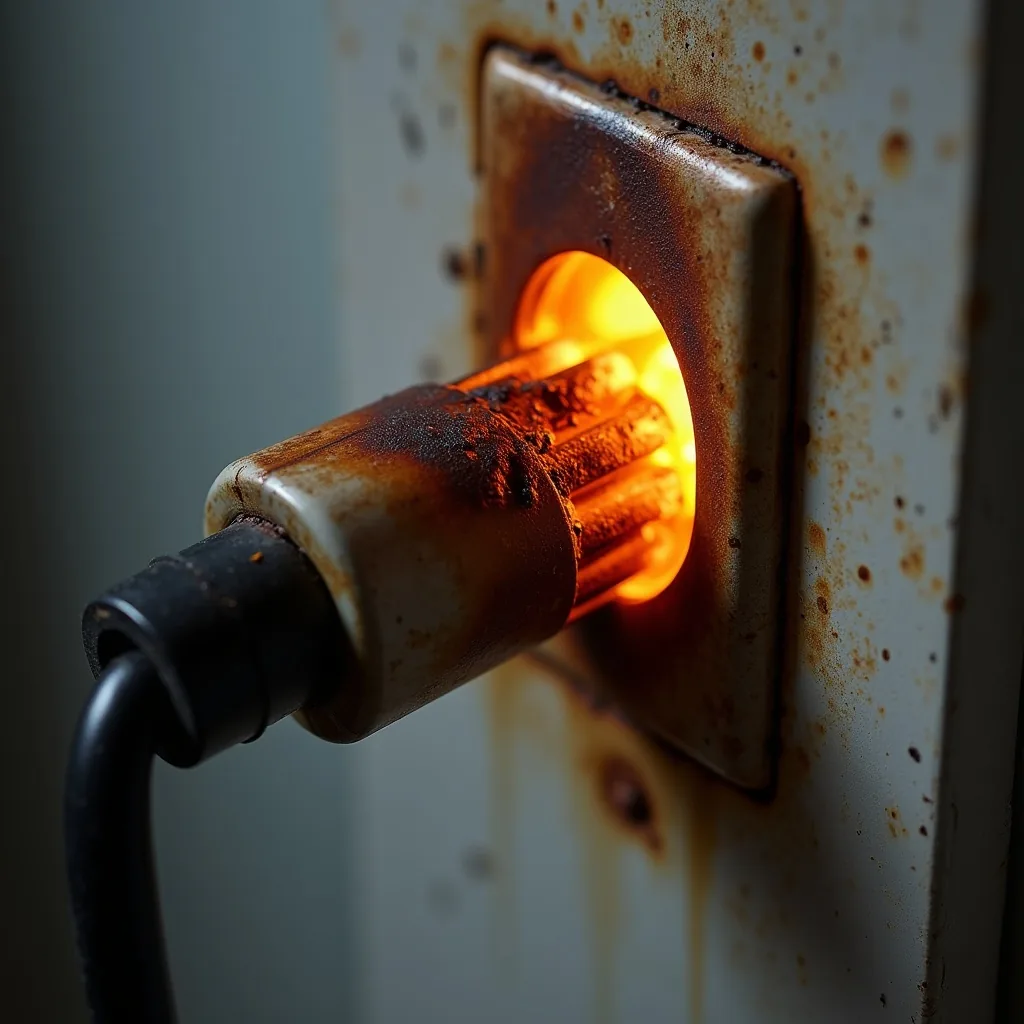
- Unplug appliances if it is safe to do so and there is a burning smell coming from an outlet.
- If there is smoke, a fire, or sparks, leave the building and call the emergency services (Rettungsleitstelle) on 112.
- For a tripped circuit breaker or RCD that keeps failing, call your landlord immediately and request an emergency visit from a certified electrician.
- If you cannot reach your landlord, call a professional electrician directly and inform them you are a tenant. Electrician Experts can arrange a certified partner electrician on 015161134271 (available 24/7 in English).
- Tell the electrician what happened, describe the fault clearly, and take photos if safe to do so.
In a genuine emergency, you are entitled to arrange repairs yourself and deduct the cost from your rent—but only if the landlord cannot or will not respond. Check your lease and German tenant law to understand this right fully; it is safest to involve a professional from the start.
Maintenance and Prevention: Your Role
While the landlord maintains the structure, you can help prevent problems. Do not overload sockets, do not use damaged cables or worn plugs, and do not install unauthorised electrical devices. If you want to add a TV aerial, electric cooker, or heating system, ask the landlord in writing first. Unauthorised installations can violate your lease and building codes.
Keep the fuse box (Sicherungskasten) area clear and accessible. Do not block it with furniture or store items in front of it. This helps your landlord and professional electricians access it safely if needed.
Disputes: When to Seek Advice
If you and your landlord disagree about who should pay for a repair, or if the landlord refuses to fix a fault, you may need legal or tenant union advice. German tenant associations (Mietverbände) and legal aid organisations can help clarify your rights. Do not stop paying rent as a protest; instead, gather evidence and seek proper guidance.
For any electrical repair—whether you need to report it to the landlord or arrange emergency help—our 24/7 English-speaking hotline is here to support you: 015161134271. We can arrange a certified electrician to inspect the fault and explain your options.