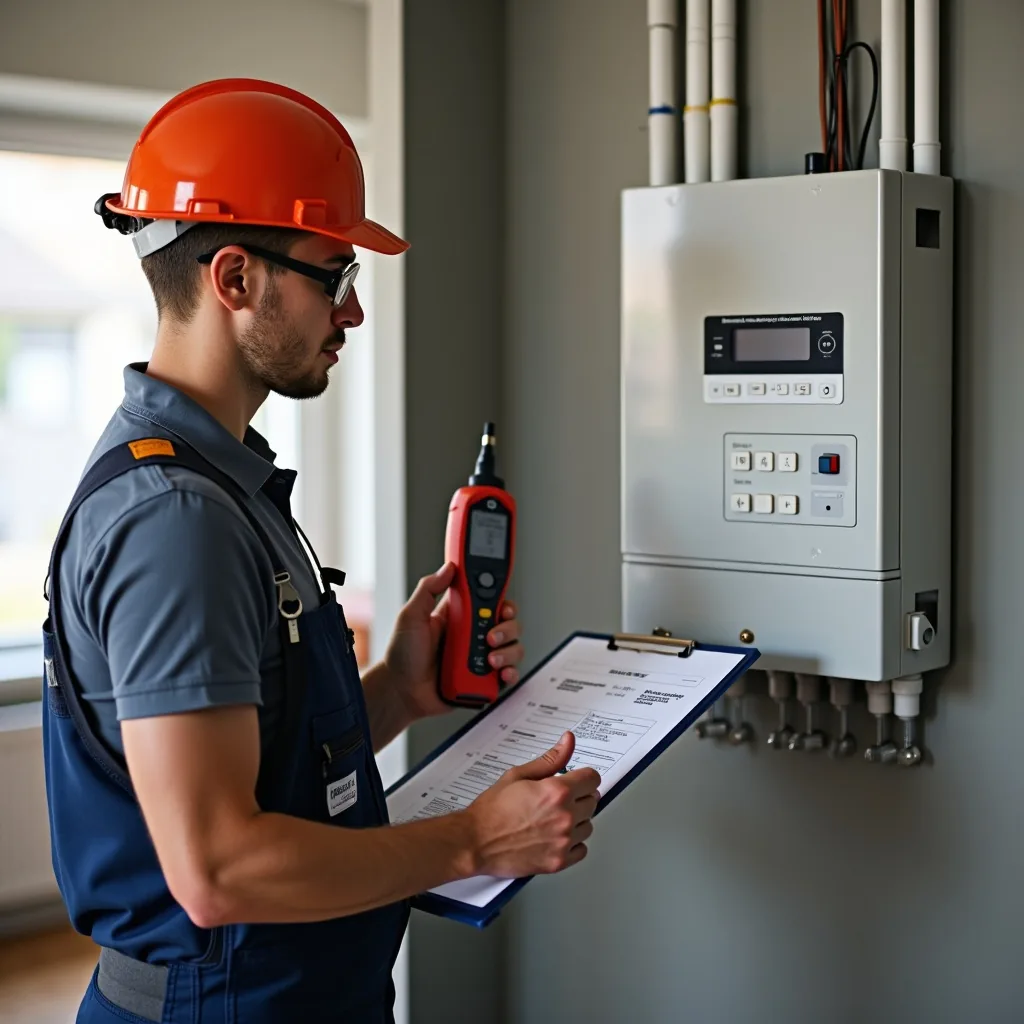
If you are renting an apartment, buying a property, or preparing a flat to let to tenants in Germany, you may have heard the term "E-Check". This is a thorough electrical inspection that certifies whether your building's wiring and electrical systems meet German safety standards. Understanding what an E-Check is and when you might need one can save you time, money, and most importantly, protect you from electrical hazards.
What Is an E-Check?
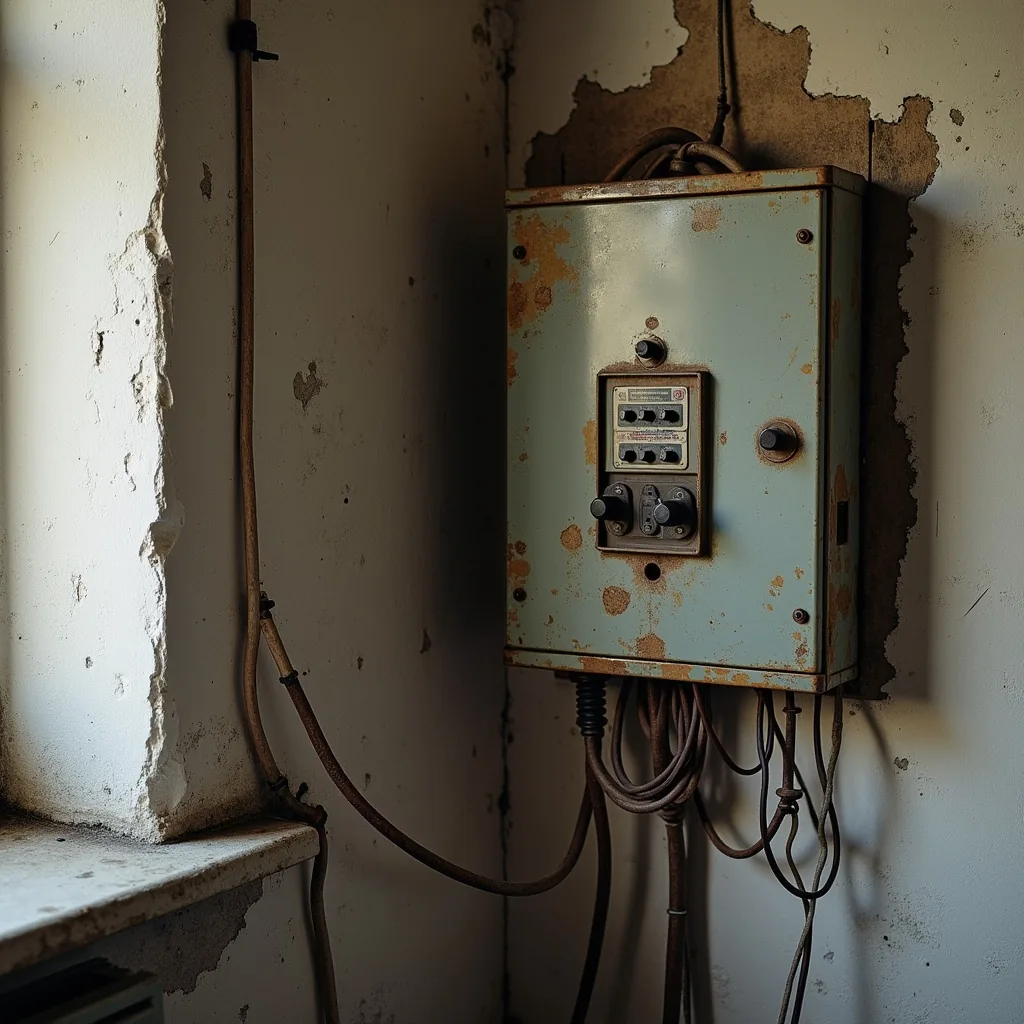
The E-Check (also called "Überprüfung" or simply "electrical inspection") is a standardised inspection of electrical installations, measured against VDE (Verband der Elektrotechnik) standards — Germany's strict electrical safety regulations. A certified electrician inspects the entire electrical system of a building: the fuse box (Sicherungskasten), wiring (Stromleitungen), outlets (Steckdosen), light switches, and any hardwired appliances.
The inspection produces a detailed report documenting whether the system is safe to use. If faults are found, the report lists them and recommends repairs. An E-Check certificate (if issued) shows that the installation complies with German standards at the time of inspection.
When Do You Need an E-Check?
There are several situations in which an E-Check becomes important:
- Renting out a property. Many tenants (and tenant protection laws) expect a recent E-Check to prove the flat is safe. Landlords often arrange one before a new tenant moves in.
- Moving into an older flat or house. Older buildings may have outdated wiring. An E-Check gives you confidence in the safety of the installation.
- Purchasing a property. A pre-purchase E-Check can reveal hidden electrical problems that might be expensive to fix.
- After a power outage or electrical fault. If circuits keep tripping or sockets stop working, an inspection can identify the cause.
- Renovations or extensions. If you have added new circuits or appliances, the work should be inspected.
- Insurance or legal requirements. Some insurance companies or authorities may ask for proof of a recent inspection.
What Does an E-Check Cover?
A certified electrician will examine:
- The main fuse box (Sicherungskasten) and circuit breakers (LS-Schalter or Sicherungen).
- All visible wiring in walls, ceilings, and underneath the building.
- Outlets (Steckdosen) and switches for correct installation and grounding.
- The earthing system (Erdung) to ensure safe fault protection.
- RCD devices (FI-Schalter — Fehlerstromschutzschalter) to confirm they trip in an emergency.
- Light fittings and any built-in electrical appliances.
- The age and condition of cables and insulation.
The inspection does not cover portable appliances you bring with you (such as a kettle or laptop charger) — those are your responsibility. However, some electricians offer a separate "portable appliance test" if requested.
What Happens During an E-Check?
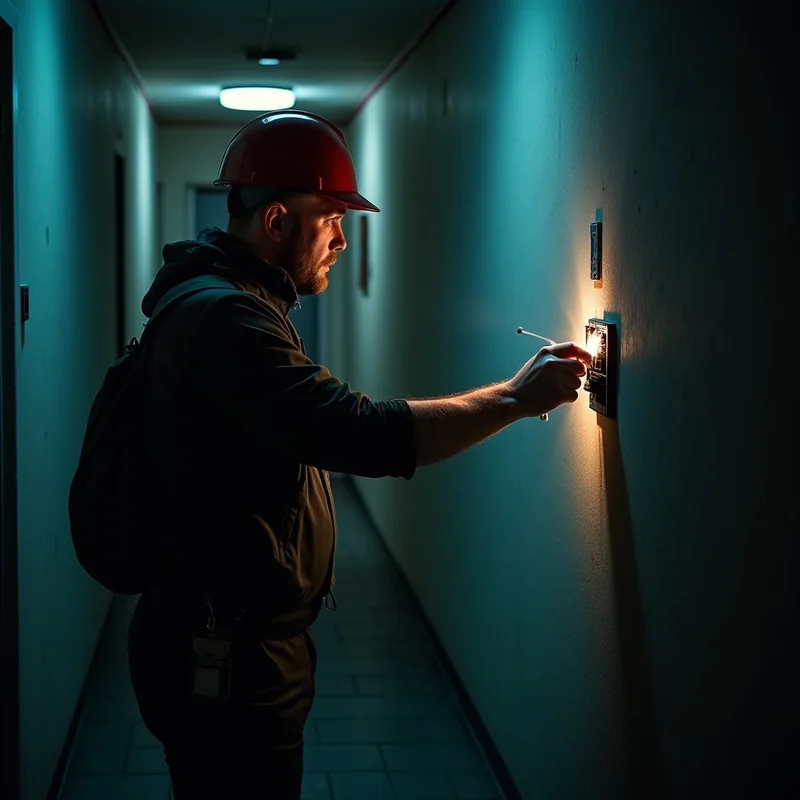
The process is straightforward and non-invasive. A certified electrician will visit your property, usually for one to three hours depending on the size. They will:
- Test circuits and outlets with specialist equipment to measure voltage, resistance, and fault protection.
- Visually inspect cables, switches, and the fuse box for damage or outdated components.
- Check that the earthing and RCD (FI-Schalter) systems work correctly.
- Compile a detailed report listing any faults found and recommendations for repair.
- Issue a certificate if the installation is compliant, or a „Bericht" (report) noting faults if not.
You do not need to switch off power to the building — the electrician will do this safely as needed during testing. There is no disruption to your daily life, and most inspections are completed in one visit.
E-Check vs. Energieberatung and Other Inspections
Germany uses different types of electrical checks for different purposes. An E-Check focuses on safety and compliance with VDE standards. An Energieberatung (energy consultation) is separate and advises on improving energy efficiency. A Blitzschutzprüfung (lightning protection inspection) checks only lightning rods and grounding systems.
If you are unsure which inspection you need, call a certified electrician. They can assess your situation and recommend the right service.
What If Faults Are Found?
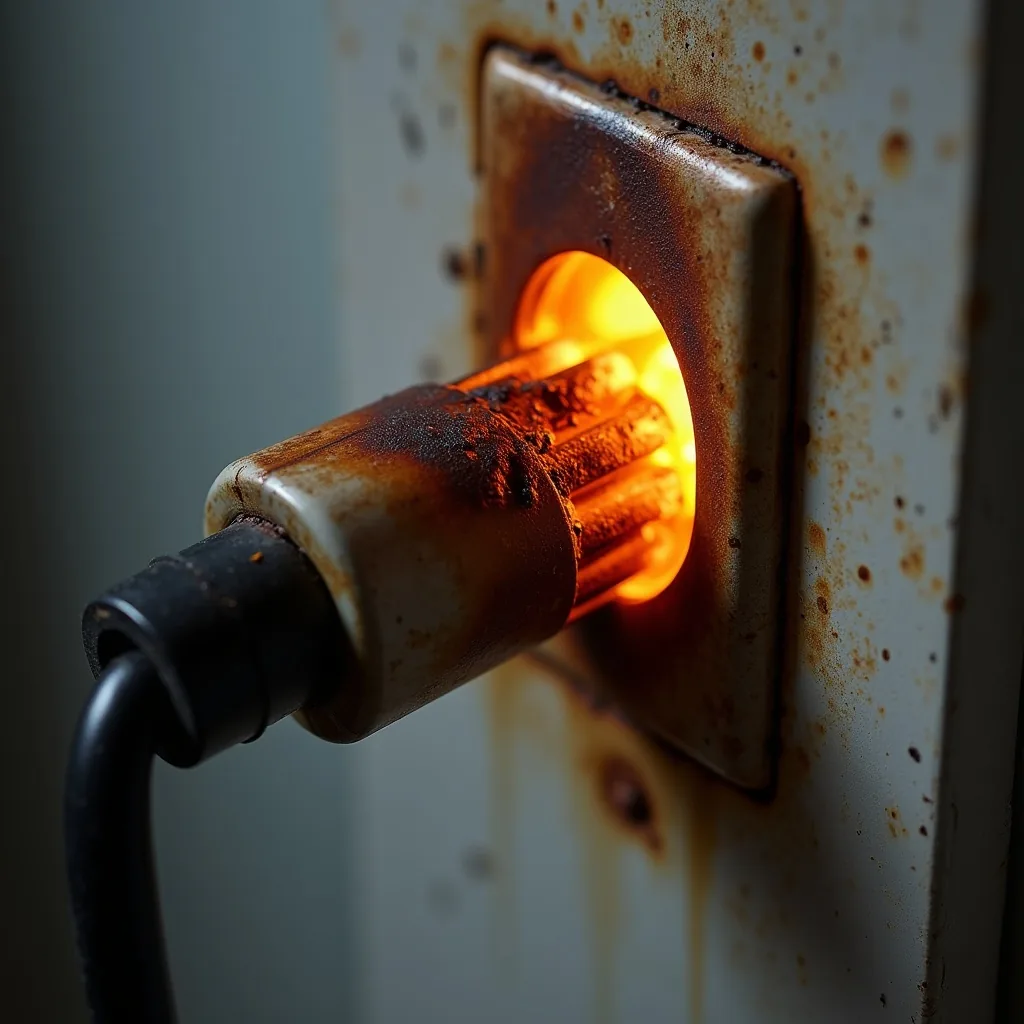
If the E-Check report identifies faults, do not ignore them. Electrical faults pose real risks of fire, shock, or injury. The report will list repairs needed and their urgency. Some faults (such as damaged insulation or missing earth bonding) must be fixed immediately by a certified electrician. Others may be lower priority but should still be scheduled.
If you are renting, discuss the report with your landlord or property manager. If you are a landlord, budget for repairs and ensure a qualified electrician completes the work. Once repairs are done, you can arrange a follow-up inspection to confirm compliance.
How to Arrange an E-Check
To arrange a certified E-Check electrical inspection, contact a qualified electrician who is registered with the relevant German chamber of trades (Handwerkskammer) and certified to carry out VDE inspections. We can help you connect with a certified partner electrician who speaks English. Call 015161134271 — our team is available 24/7 and can arrange an inspection appointment at a time that suits you. Simply describe the property, tell us when you need the inspection, and we will organise everything.
If you are moving to a new flat or property in Germany and want peace of mind about the electrical safety, an E-Check is one of the smartest steps you can take. Get in touch today.